
Introduction
Wales’ Ancient Kingship, Lineage & Continual Heritage
Wales preserves one of the oldest continuous traditions of kingship in Britain, rooted in early tribal authority, inherited lineage and enduring cultural memory. Its history reflects a network of rulers whose legitimacy was shaped by ancestry, land and the continuity of royal descent.
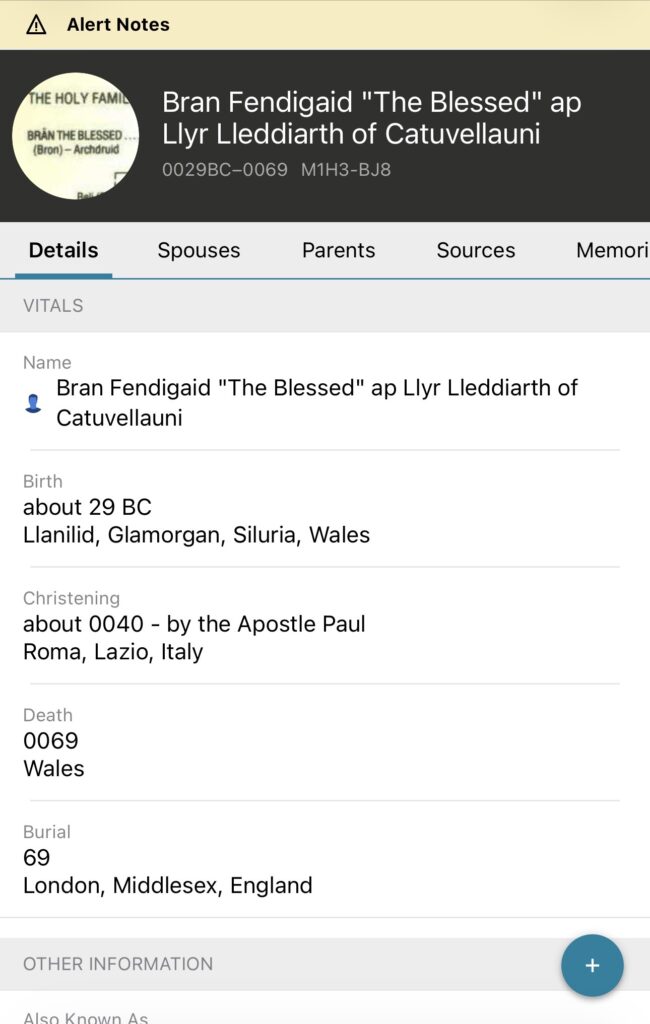
At the centre of this tradition stands an ancestral figure associated with early British and Welsh identity: Bran Fendigaid ap Llyr, also known as “The Blessed”, linked in tradition to the ancient people of the Catuvellauni and the region of the Siluria.
Early Kingship and Tribal Authority
Before the formation of unified kingdoms, Wales was organised into tribal regions ruled by kings whose authority derived from lineage and recognition by their people. These rulers were custodians of land, law and tradition rather than absolute monarchs.
Kingship in early Wales was closely tied to moral responsibility. A ruler’s legitimacy depended not only on ancestry but on justice, protection of the people and maintenance of order.
This principle reflects a wider theme of leadership and accountability:
“When his Lord said to him, ‘Submit,’ he said, ‘I have submitted [in Islam] to the Lord of the worlds.’” — Al-Baqarah (The Cow) 2:131
“Indeed, Allah commands you to render trusts to whom they are due… and when you judge between people to judge with justice…” — An-Nisa (The Women) 4:58
“O David, indeed We have made you a successor upon the earth, so judge between the people in truth…” — Sad (Ṣād) 38:26
Bran the Blessed and Royal Continuity
Bran Fendigaid ap Llyr occupies a central place in Welsh tradition. Remembered as both a king and a symbolic figure, Bran represents continuity between early tribal leadership and later royal identity.
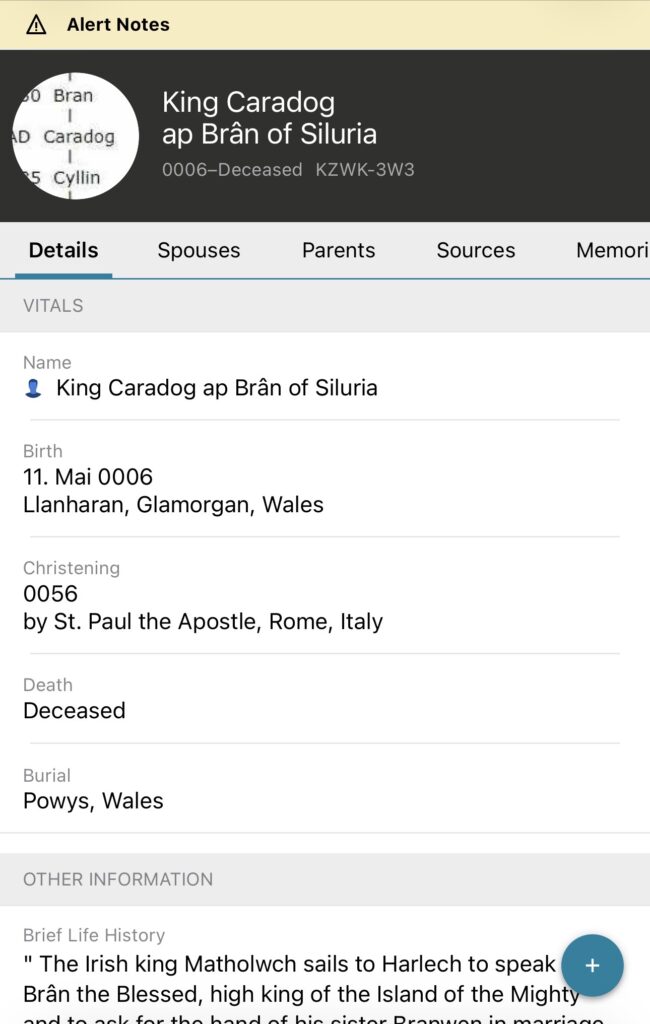
Associated with the Silures, his legacy connects myth, memory and governance. His lineage is preserved in Welsh genealogies that link early rulers to later dynasties.
The continuity of names and lineages across generations reflects a deeper structure of inherited authority, where ancestry served as the foundation of kingship.
“And their prophet said to them, ‘Indeed, Allah has sent to you Talut as a king…’” — Al-Baqarah (The Cow) 2:247
“Say, ‘O Allah, Owner of Sovereignty, You give sovereignty to whom You will and You take sovereignty away from whom You will…’” — Ali Imran (The Family of Imran) 3:26
“O my people, remember the favour of Allah upon you when He appointed among you prophets and made you possessors…” — Al-Ma’idah (The Table Spread) 5:20
“Those were the ones upon whom Allah bestowed favour… among the descendants of Adam…” — Maryam (Mary) 19:58
The Silurian Kings and Regional Rule
The region of Siluria formed a core centre of early Welsh authority. The Silures were known for their resistance, organisation and strong identity, maintaining their independence and traditions even under external pressure.
Welsh kings ruled over defined territories, maintaining control through alliances, kinship ties and recognition of lineage. These structures ensured continuity even as political landscapes shifted.
Over time, these regional powers contributed to the formation of more structured Welsh kingdoms, preserving ancient traditions while adapting to changing circumstances.
“O mankind, indeed We have created you from male and female and made you peoples and tribes that you may know one another…” — Al-Hujurat (The Chambers) 49:13
“And remember when He made you successors after ‘Aad and settled you in the land…” — Al-A‘raf (The Heights) 7:74
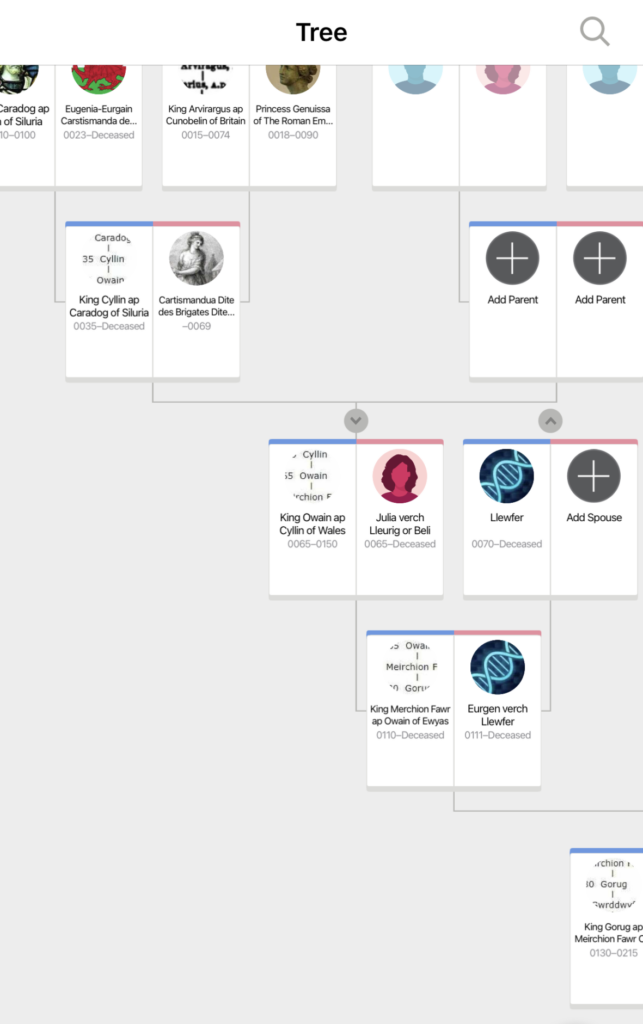
Family Tree
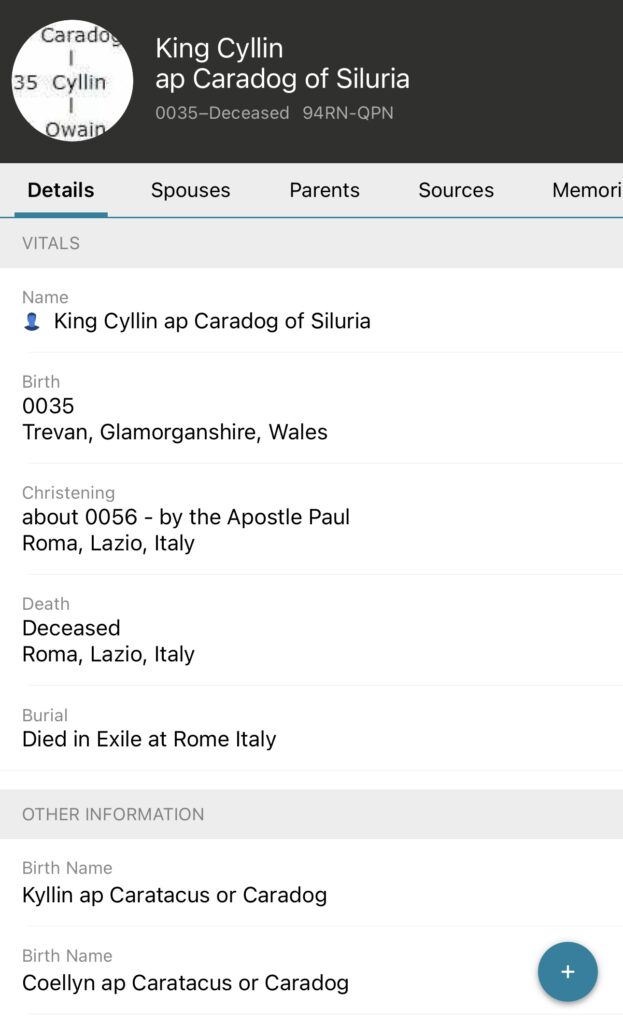
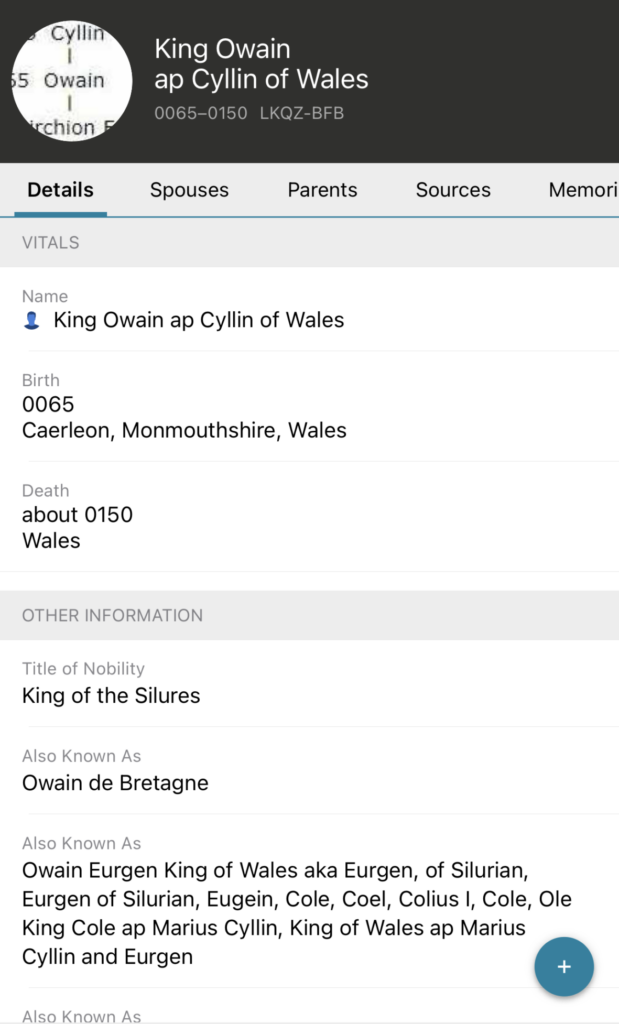
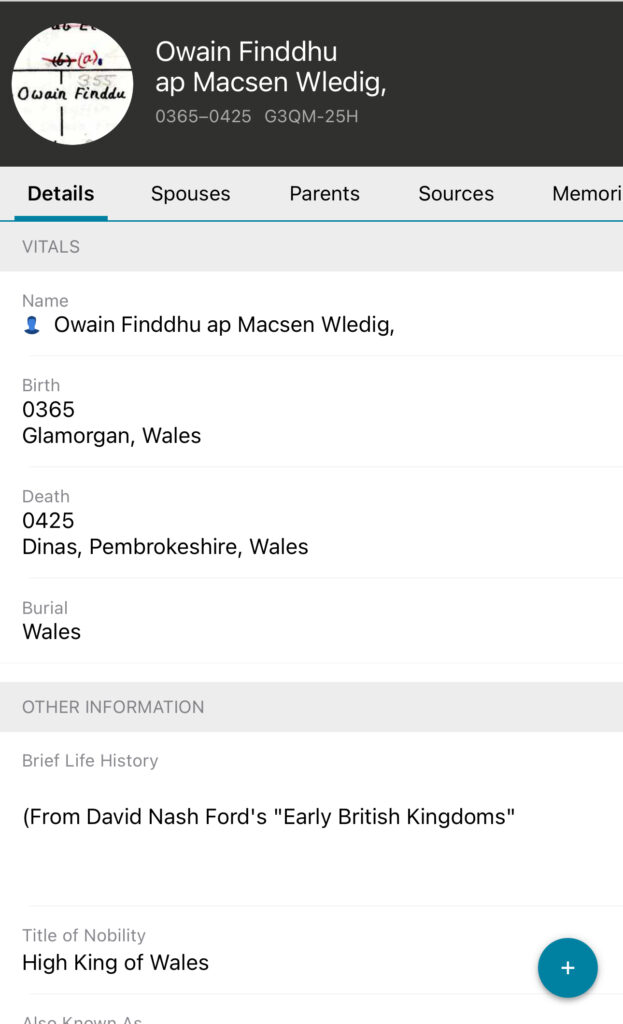
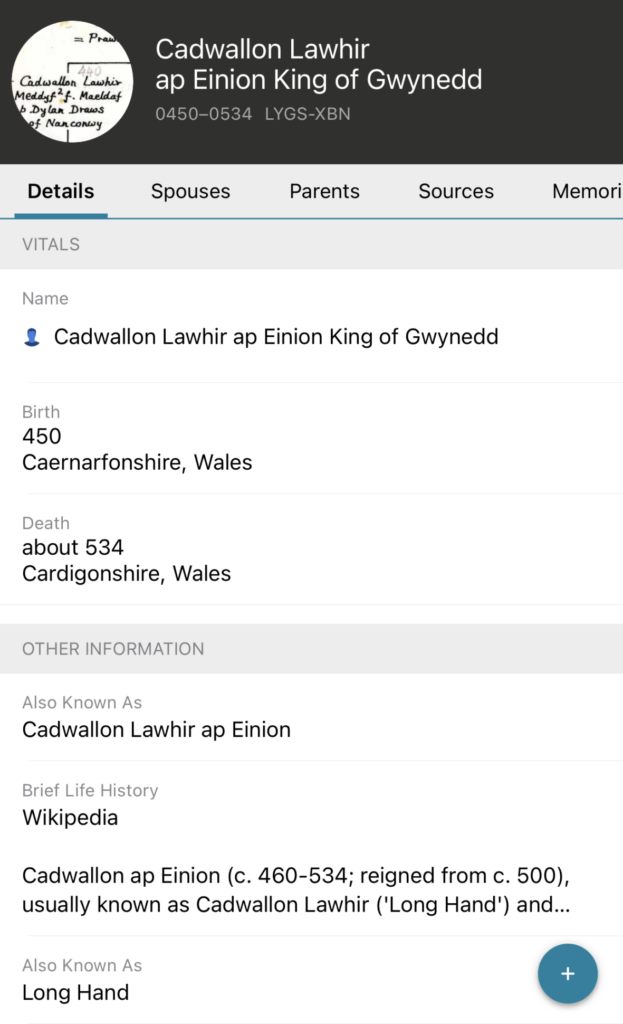
Genealogy and Lineage
Genealogy was central to Welsh society. Lineage determined:
- The right to rule
- Social standing
- Inheritance of land and authority
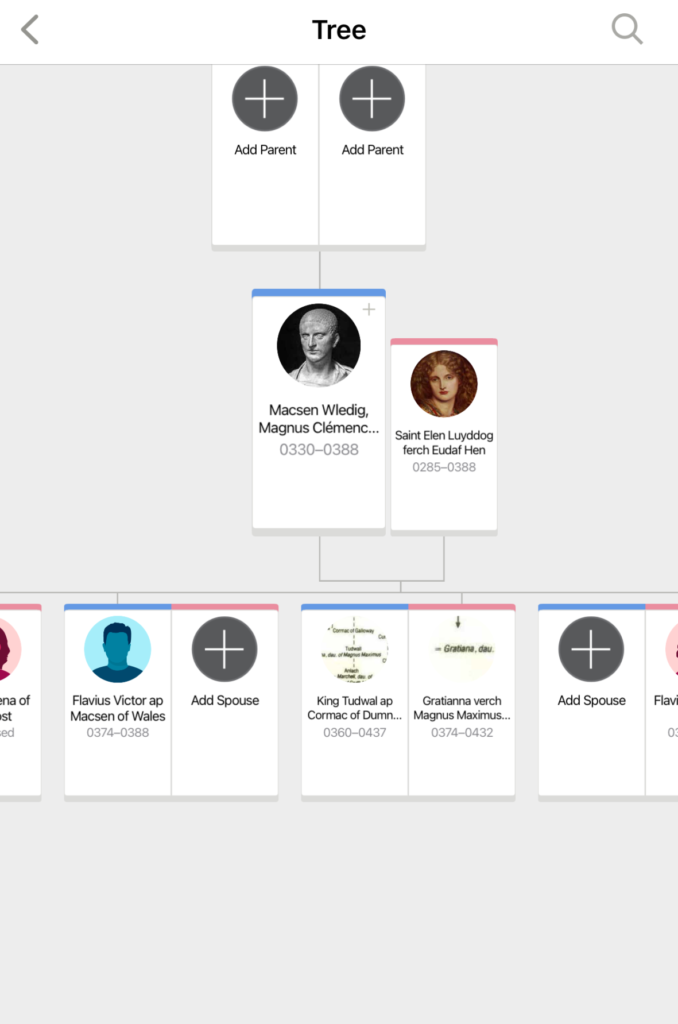
Welsh genealogies were preserved through oral tradition and later recorded in manuscripts, forming a detailed record of descent and royal succession.
These genealogies linked rulers across generations, maintaining continuity of identity and authority.
“[Zakariya said], ‘My Lord, indeed I fear my successors after me… so give me from Yourself an heir…’” — Maryam (Mary) 19:5–6
“And that was Our argument which We gave Abraham… and among his descendants, David and Solomon…” — Al-An’am (The Cattle) 6:83–84
Tradition, Memory and Record
Before widespread written records, Welsh history was preserved through oral tradition. Bards and historians memorised genealogies, royal successions and historical narratives, ensuring their survival across generations.
With the spread of Christianity, many of these traditions were recorded, preserving the names and lineages of early kings. While elements of myth and legend remain, these records form a vital part of understanding Welsh royal history.
“There was certainly in their stories a lesson for those of understanding…” — Al-Qasas (The Stories) 28:3–46
“And how many a city have We destroyed that was unjust, so it is fallen into ruin…” — Al-Anbiya (The Prophets) 21:11
“Have they not travelled through the land and observed how was the end of those before them…” — Ar-Rum (The Romans) 30:9
“O you who have believed, fear Allah. And let every soul look to what it has put forth for tomorrow…” — Al-Hashr (The Exile) 59:18
Legacy of Early Welsh Kings
The legacy of early Welsh kings continues to shape identity and heritage. Figures such as Bran Fendigaid ap Llyr represent more than historical memory — they embody continuity, lineage and the enduring importance of ancestry.
Names, territories and genealogies passed through generations, forming a living connection between the past and present.
“Indeed, We have sent down to you a Book in truth so you may judge between people…” — Taha (Ta‑Ha) 20:9–99
Land, Authority, and Continuity
These landmarks collectively demonstrate that Welsh kingship was inseparable from the land itself. Authority was not abstract—it was anchored in:
- Fortified settlements
- Ceremonial and burial sites
- Strategically positioned strongholds
From prehistoric monuments to medieval castles, each site reflects continuity in leadership, identity, and governance.
Legacy of Place in Welsh Kingship
The connection between lineage and land is a defining feature of Welsh history. Sites like Caerleon and Dinas Emrys reinforce how geography shaped authority.
These places are more than historical landmarks—they are living reminders of:
- Royal lineage
- Cultural memory
- The enduring presence of early Welsh identity
Historic Welsh Heritage Sites
Caerleon
A major Roman and early Welsh centre, associated with leadership and early kingship traditions. Known historically as Isca Augusta.
Dinas Emrys
An early royal and mythological site linked to kingship and prophetic tradition. Connected to the story of Merlin and the red and white dragons.
Tre’r Ceiri
One of the best-preserved Iron Age hillforts in Britain, demonstrating organised tribal settlement and defence.
Bryn Celli Ddu
A prehistoric burial chamber aligned with the summer solstice, reflecting spiritual and ceremonial leadership.
Dolwyddelan Castle
Linked to Llywelyn the Great, symbolising native Welsh princely power.
Connection Beyond Wales
Welsh royal traditions did not exist in isolation. Through shared ancestry, migration, and political interaction, Wales remained connected to neighbouring regions, including England and Scotland.
These connections formed part of a wider network of lineage and cultural exchange across Britain.
This movement reflects the broader pattern of dispersion and continuity:
Al-Isra (The Night Journey) 17:4–8 – Corruption and dispersal
Al-A‘raf (The Heights) 7:168 – Division into nations
“And We decreed for the Children of Israel in the Scripture: You will most surely do mischief twice in the land…” — Al-Isra (The Night Journey) 17:4–8
“And We divided them in the earth into nations…” — Al-A‘raf (The Heights) 7:168