
Introduction
The identity of Britain’s early kings is often framed through England, yet the deeper roots of royal lineage extend beyond a single nation. The lands later known as Britain were inhabited and culturally developed long before the formation of England as a political identity. Britain’s royal traditions therefore reflect a far more ancient and interconnected past, reaching back into the centuries before the Common Era (BC), when tribal societies and legendary rulers laid the foundations of kingship.
The Foundations of Kingship in Britain
Before the rise of a unified English crown, Britain was divided into multiple kingdoms. These included:
- Brittonic kingdoms – native Celtic rulers maintaining local authority
- Anglo-Saxon kingdoms – Wessex, Mercia, Northumbria, and others emerging later
- Gaelic influences – particularly from Ireland and Scotland, shaping northern Britain
Kingship during this period was tribal and dynastic rather than absolute. Authority was rooted in ancestry, land, and allegiance. Lineage was preserved through oral tradition and later genealogical records, linking rulers to ancestral figures and legitimising their claims.
Lineage and Legitimacy
Royal legitimacy in early Britain was inseparable from genealogy. Kings traced descent from:
- Founding tribal ancestors
- Legendary forebears whose deeds shaped early Britain
- In some traditions, sacred or biblical lineages reinforcing divine legitimacy
Among Anglo-Saxon dynasties, descent from figures such as Woden was commonly asserted. In Brittonic and Celtic traditions, older ancestral lines preserved memories of migration and settlement.
These genealogies were not merely records of descent—they functioned as frameworks of authority, connecting political rule to inherited identity and continuity.
Lineage Connection to Prophet Joseph
“And We did certainly create man out of clay from an altered black mud.”—Al-Hijr (The Rocky Tract) 15:26
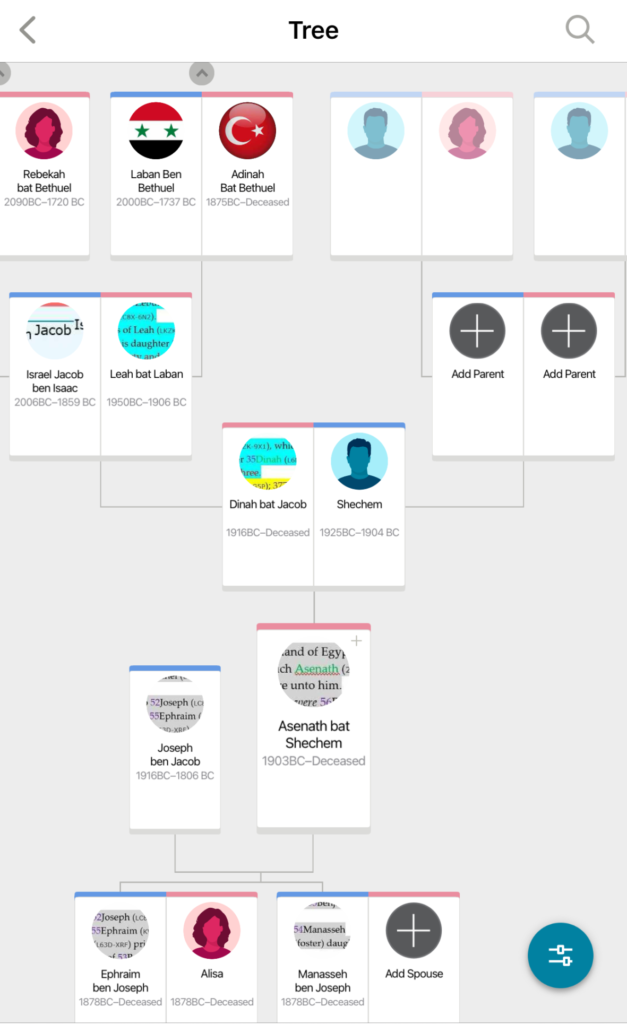
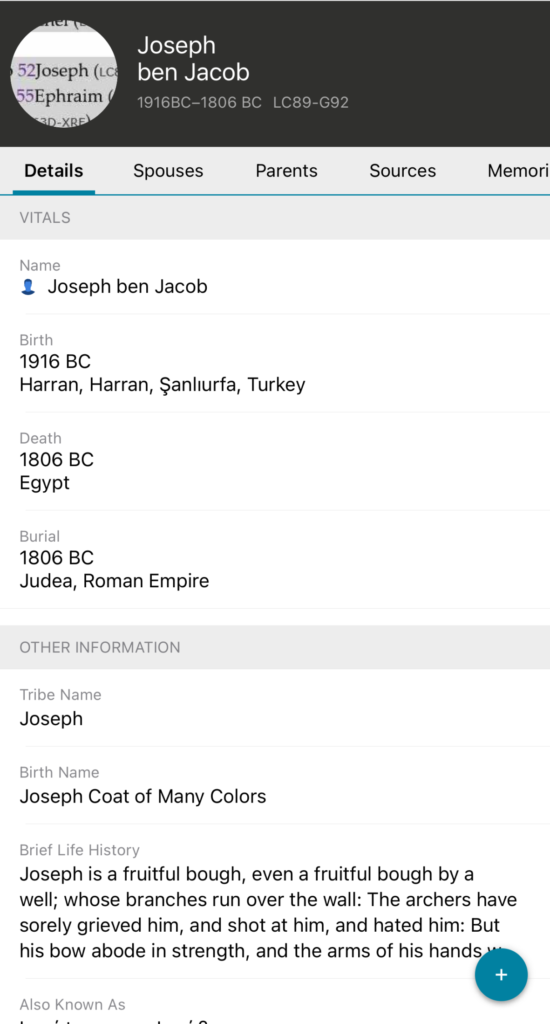
Certain genealogical traditions within this lineage framework extend beyond Britain and are associated with ancestral lines linked to Prophet Joseph (Yūsuf). These connections appear in extended family records and lineage charts that trace descent through ancient Near Eastern ancestry into later migratory and dynastic traditions.
Within this perspective, lineage is not confined to a single geographic region but reflects a broader continuity of ancestral inheritance, connecting early British genealogies with traditions rooted in earlier civilisations. Such associations emphasise the role of genealogy as both a historical and symbolic framework, linking identity, inheritance, and legitimacy across generations.
While these connections are preserved within specific genealogical traditions, they form part of a wider narrative in which lineage serves to establish continuity between ancient figures, migrating populations, and the development of early kingship structures.
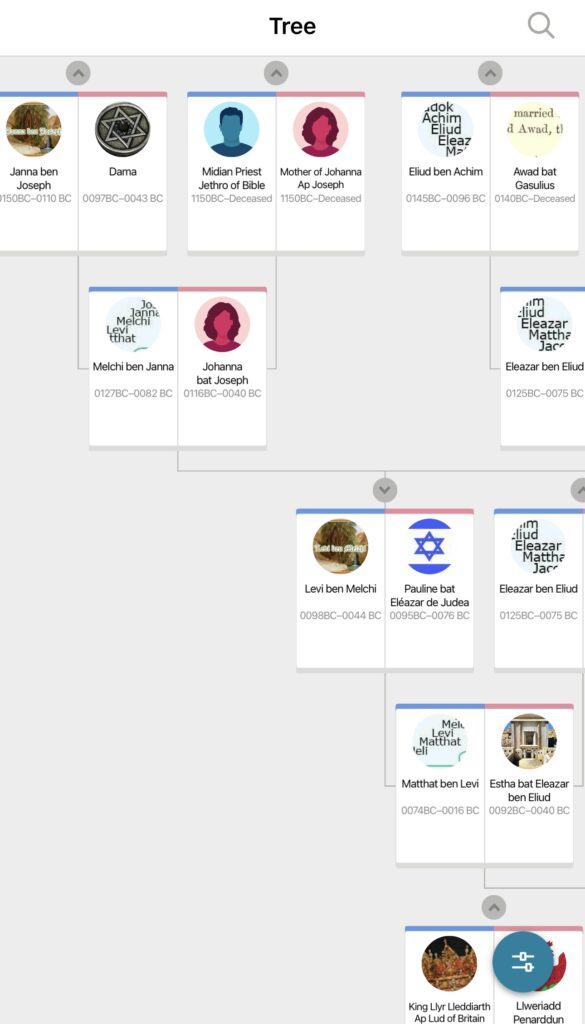
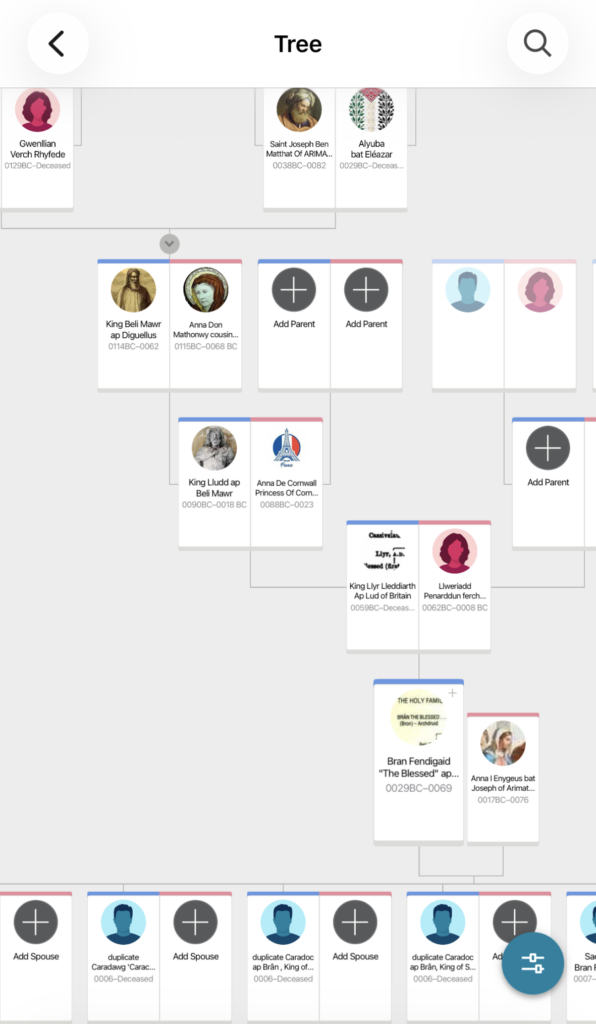
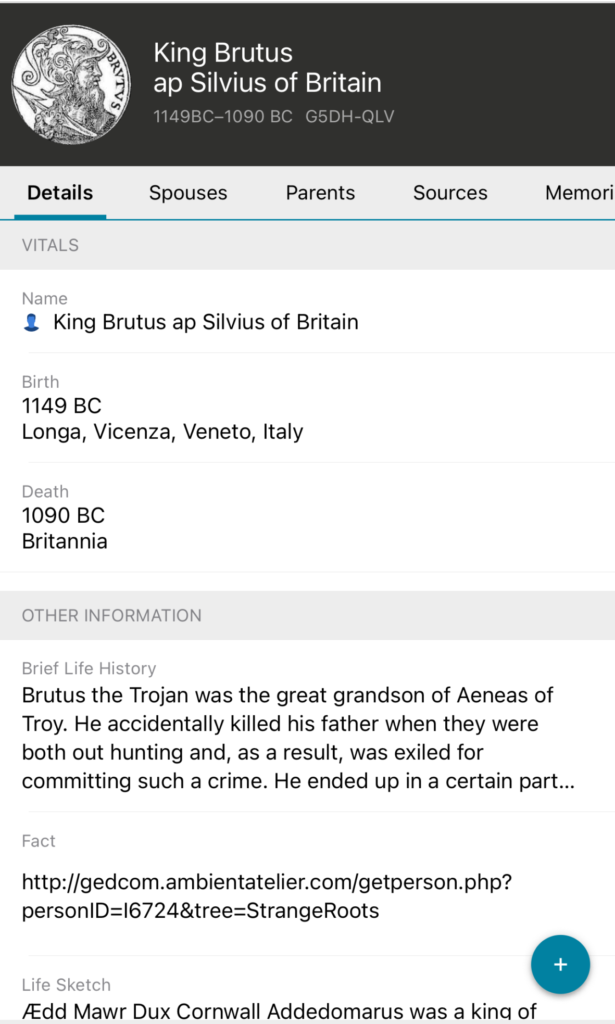
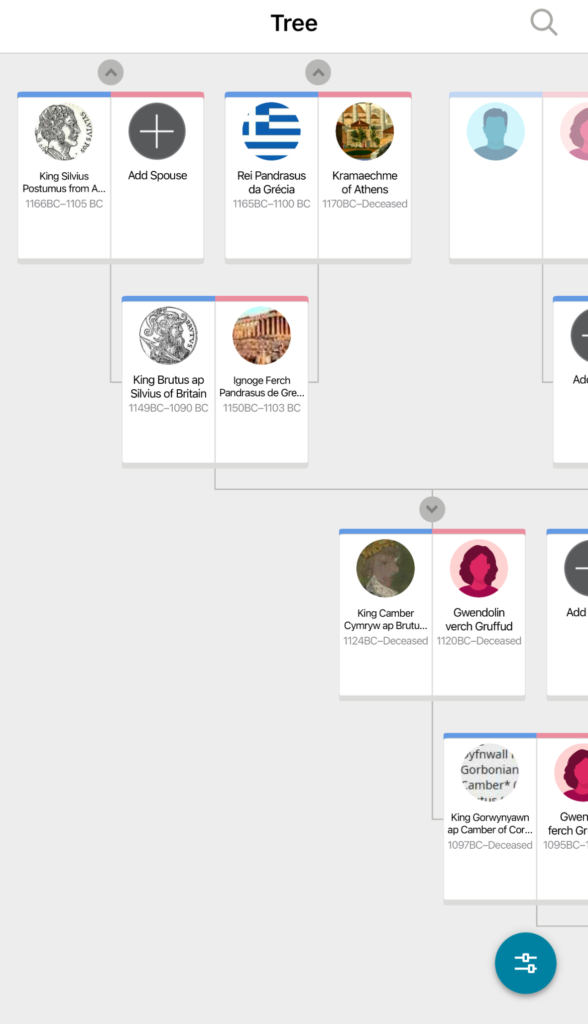
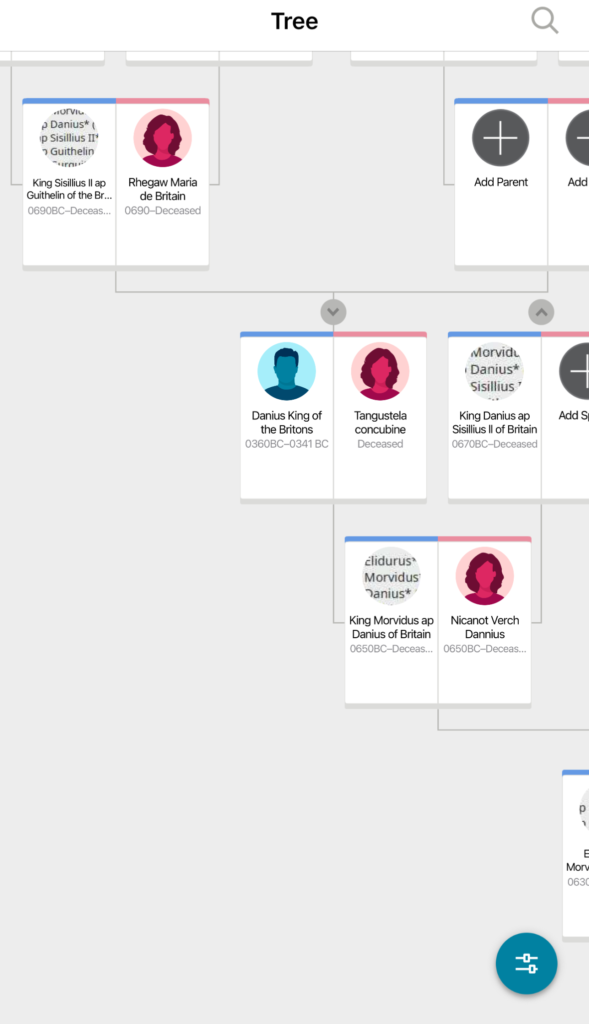
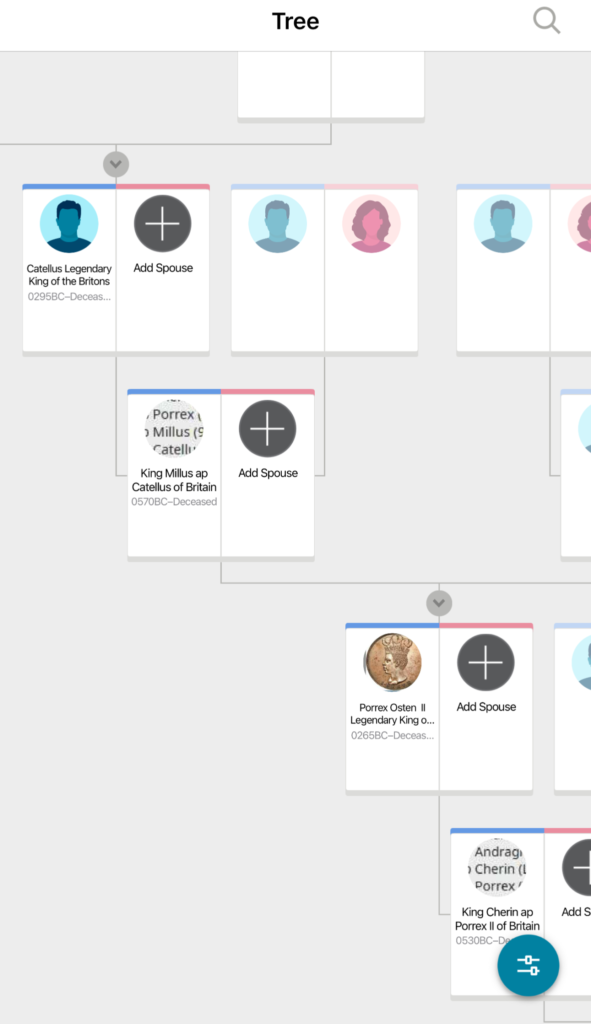
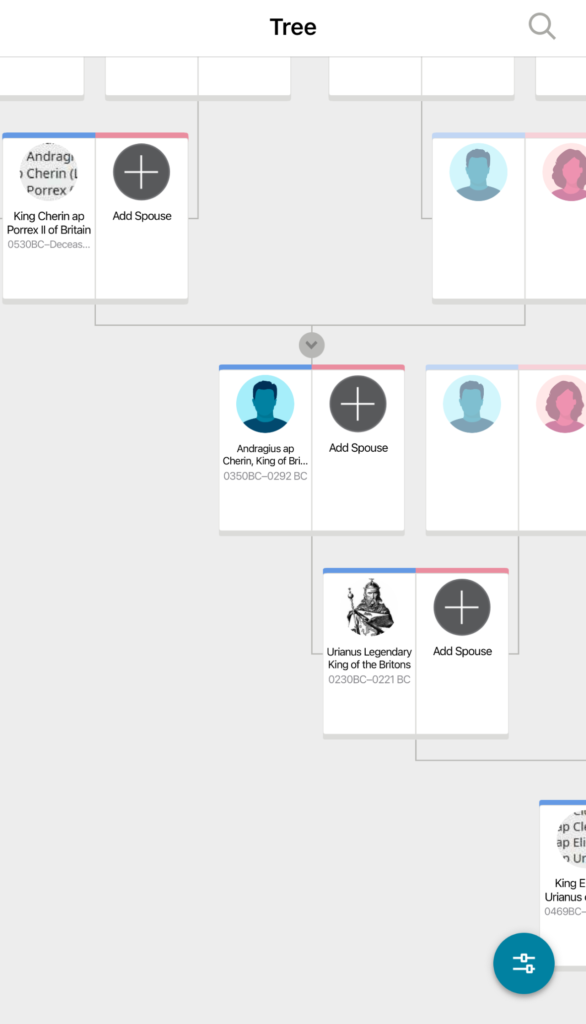
Genealogical Lineage Records (Brittonic Royal Descent – Section I)
The following genealogical representations illustrate key ancestral lines preserved within British and Brittonic traditions. These lineages reflect the transmission of authority, kinship, and legendary kingship across successive generations.
From Britain to England
“England” as a political identity emerged later through the consolidation of Anglo-Saxon kingdoms.
Key developments included:
- The rise of Wessex as a dominant power
- Unification efforts under kings such as Alfred the Great
- The gradual formation of a single English monarchy
However, this consolidation did not erase earlier British identities. Instead, new political structures were layered over older traditions, creating continuity with earlier forms of kingship.
Sacred Authority and Kingship
Early kingship in Britain carried a spiritual dimension. A king was expected to:
- Uphold justice
- Protect the land
- Maintain order and stability
Legitimacy was conditional. A ruler who failed in moral responsibility risked losing authority. Kingship was therefore ethical as well as political.
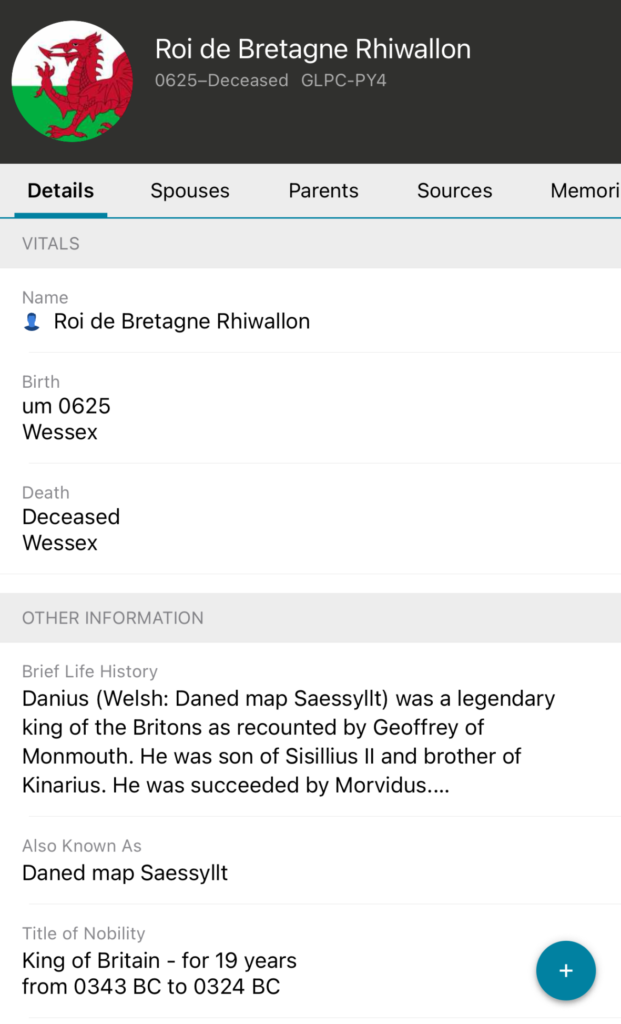
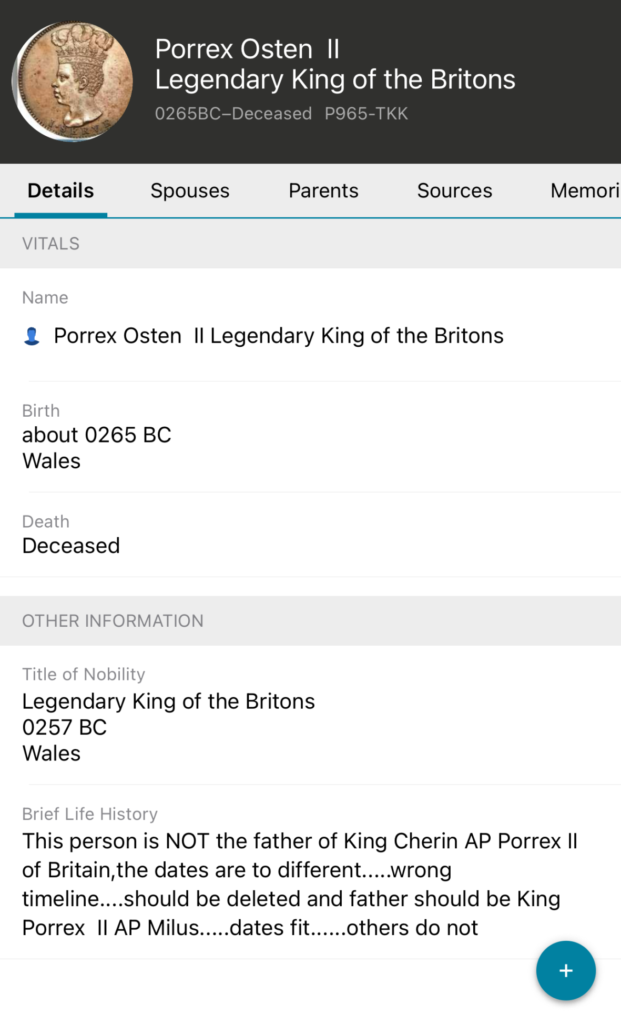
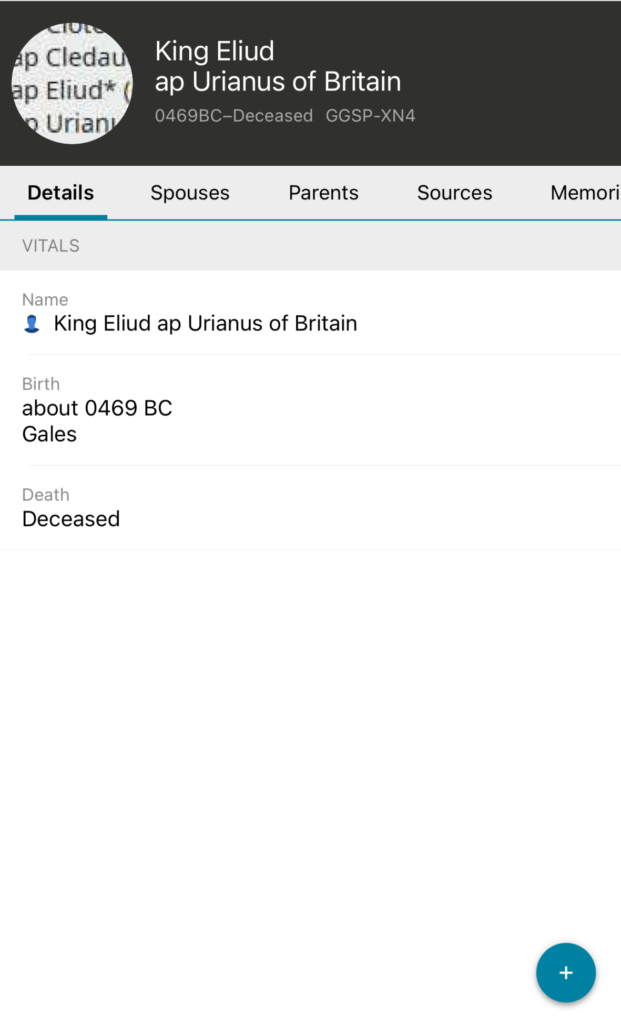
Genealogical Lineage Records: Brittonic Royal Descent (Section II)
These records document a sequence of Brittonic royal lineages and associated kingly profiles, reflecting traditional accounts of succession and dynastic continuity. They illustrate how authority was preserved and transmitted through interconnected lines of legendary and semi-legendary rulers within early British kingship traditions.
Note: These are our ancestors who inhabited Britain in BC, before any other race of people existed. We are the Indigenous Europeans. The Huns of the Caucasus Mountains, specifically Attila, emerged around the 3rd–4th century (15:27 + 15:26). The Huns are currently updating their origins from the Caucasus Mountains to the Steppes—presented as a correction; however, their origins remain certified in 18:50. This correction proves that the Huns are not original descendants of Japheth (15:26), and are not the Indigenous Europeans, as history claims. God specifies His creation of man, confirming that the Indigenous people of the land are Black.
The Role of Migration and Connection
Britain’s royal lineage developed through long patterns of movement and cultural exchange:
- Celtic Britons across the island
- Gaelic connections with Ireland and Scotland
- Anglo-Saxon migrations from continental Europe
These interactions created overlapping networks of kinship and authority rather than a single origin point.
Legendary Kings and Lineage Tracing
King Brutus: Founder of Britain
Legendary genealogies begin with Brutus of Troy, described as a descendant of Trojan exiles.
He is said to have:
- Led survivors of Troy to Britain
- Defeated giants and early inhabitants
- Established the first structured kingdom
King Leir: The Pre-Roman Monarch
King Leir is remembered as a pre-Roman ruler associated with the division of his kingdom among his daughters.
In tradition:
- Goneril, Regan, Cordelia
- loss and restoration of authority
- themes of inheritance and legitimacy
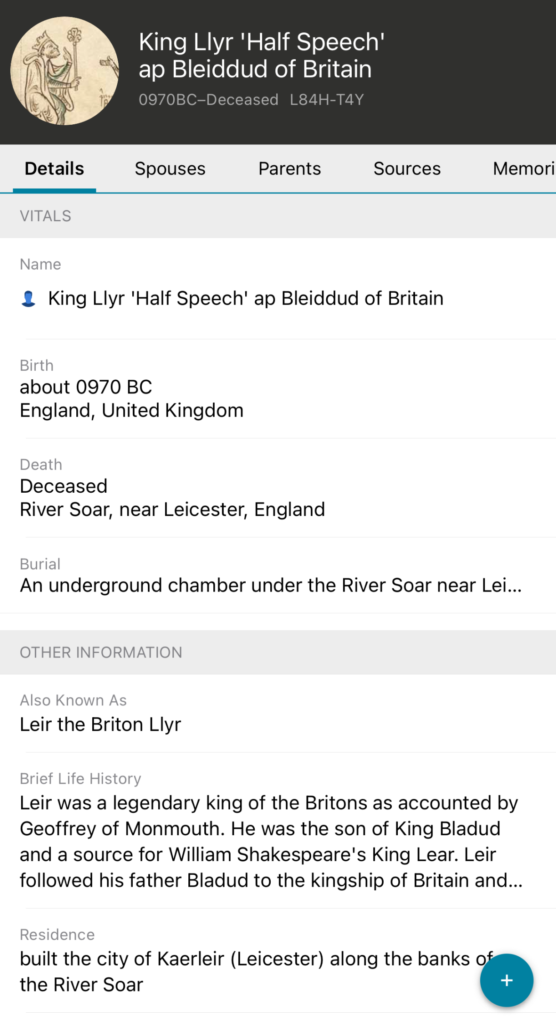
Genealogical Lineage Records: Brittonic Kingship Lineage (Section III)
The following profiles present traditional accounts associated with the Leir lineage, reflecting variations of the same ancestral tradition preserved across Brittonic and later medieval sources. These figures are linked to early legendary kingship narratives in which authority, inheritance, and familial succession play a central role in the transmission of royal legitimacy.
Dyfnwal Hen: The Northern Lineage
Dyfnwal Hen represents northern Brittonic kingship in the Hen Ogledd (“Old North”).
- Linked to Strathclyde
- Preserved in genealogical tradition
- Reflects parallel northern dynasties
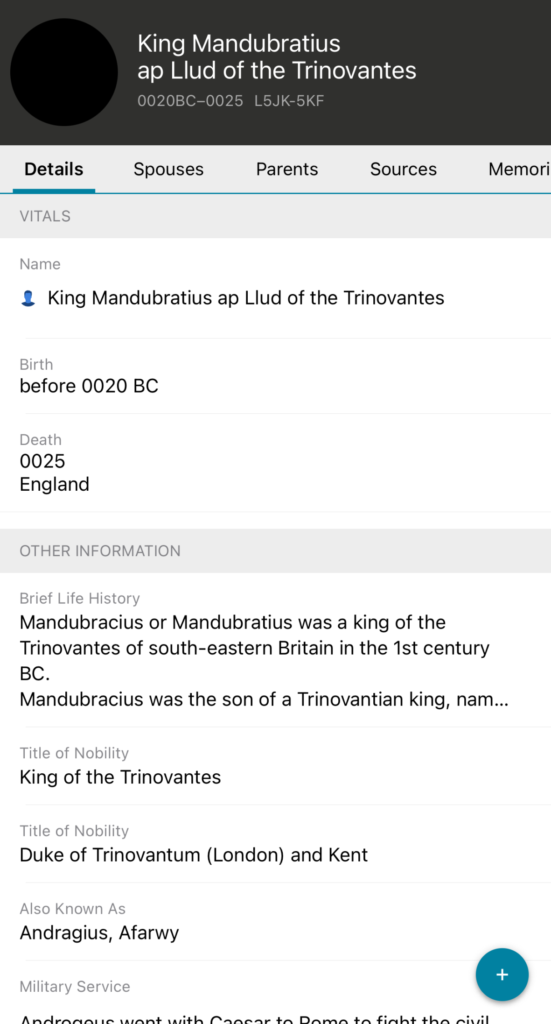
Mandubracius: Early Brittonic Ruler in Roman Historical Sources
Mandubracius was an early Brittonic ruler of the Trinovantes tribe who appears in Roman historical accounts. His reign marks a transitional phase in British kingship, where traditional tribal authority intersected with external Roman influence, bridging legendary genealogical traditions and recorded history.
Trojan Generations in BC
These genealogical charts preserve traditional accounts of Trojan descent within British lineage traditions. They reflect how ancestral origin narratives were used to construct frameworks of legitimacy, continuity, and dynastic succession across both legendary and semi-legendary kingship lines.
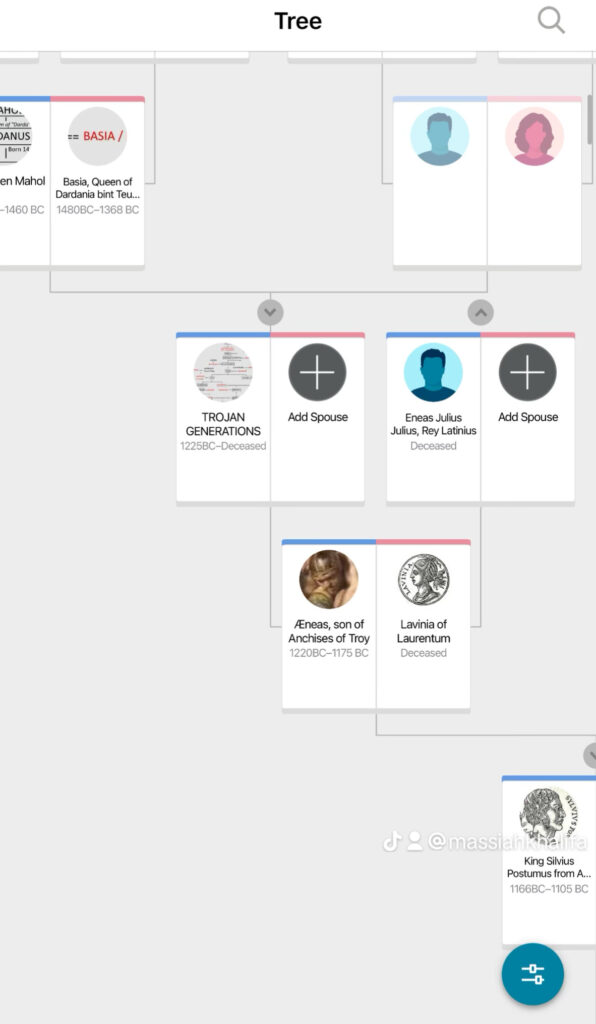
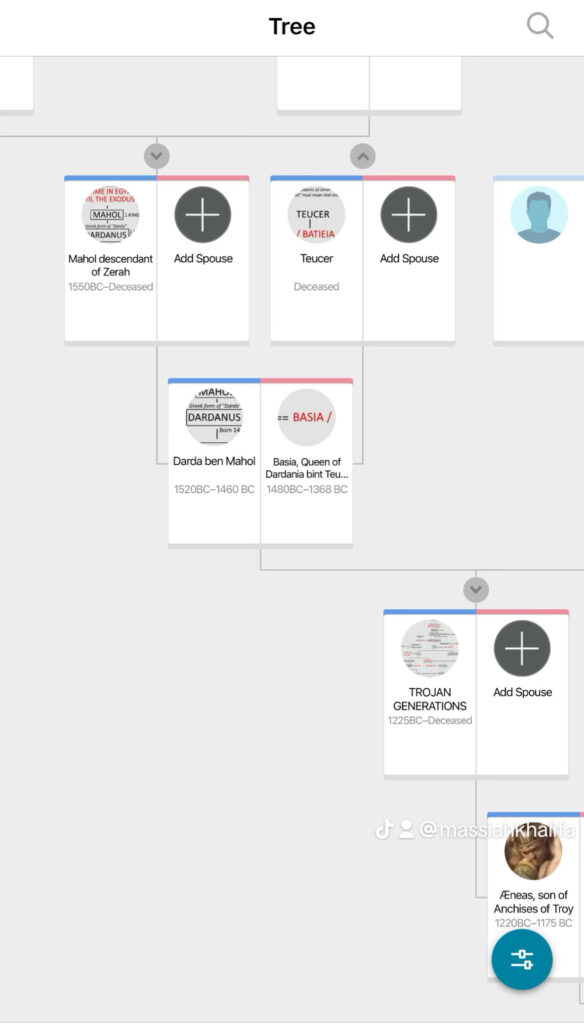
Trojan Generations refer to a genealogical tradition (mainly medieval and legendary) that traces the origins of certain British royal lines back to Trojans from the ancient city of Troy.
In these accounts, figures said to be descendants of Trojan survivors—most famously linked to Brutus of Troy—are presented as the founding ancestors of early Britain. The tradition was used to create a symbolic lineage of legitimacy and antiquity, connecting British kingship to the heroic world of classical mythology.
It is not considered historically verifiable, but belongs to mytho-historical genealogy and medieval origin narratives used to explain and elevate royal descent.
Transition to Scriptural Reflection
These themes of lineage, justice, and divine authority also appear in parallel scriptural narratives that preserve their own distinct accounts of kingship, legitimacy, and moral order.
Authority & Divine Appointment
Al-Baqarah (2:247)
God appoints Saul as king and strengthens him with knowledge and ability.
“Allah chose Saul to be king for the Israelites and strengthened him with knowledge and physical ability…” – Al-Baqarah (The Cow) 2:247
Al-Anbiya (21:73)
“And We made them leaders, guiding by Our command.” – Al-Anbiyāʾ (The Prophets) 21:73
Kingship, Justice & Stewardship
Al-Isrāʾ (17:26–27)
Instructions on justice, charity, and restraint
“Give the relative his right, and the needy, and the traveller, and do not spend wastefully.” – Al-Isrāʾ (The Night Journey) 17:26–27
Al-An‘am (6:165)
Humanity appointed as successors on Earth
“And it is He who has made you successors upon the earth…” – Al-An‘am (The Cattle) 6:165
Nisā’ (4:58)
Justice and trust in leadership.
“Indeed, Allah commands you to render trusts to whom they are due and when you judge between people to judge with justice…” – Nisā’ (The Women) 4:58
Lineage, Tribes & Identity
Al-Hujurāt (49:13)
Peoples and tribes created for recognition and understanding
“O mankind, indeed We have created you from male and female and made you peoples and tribes that you may know one another…” – Al-Hujurāt (The Rooms) 49:13
Al-Mā’idah (5:20–21)
Inheritance of land and obedience to divine instruction.
Al-Mā’idah (The Table Spread) 5:20–21
Al-Isrāʾ (17:104)
Settlement and collective identity formation.
“And We said to the Children of Israel after him: Dwell in the land, and when the promise of the Hereafter comes, We will bring you as a scattered people.” – Al-Isrāʾ (The Night Journey) 17:104
Ancient Landscapes of Britain
Britain’s archaeological landscape provides physical context for these early traditions of authority and settlement.
Stonehenge (Wiltshire)
A ceremonial monument built between c. 3000–2000 BC, aligned with solar cycles and surrounded by burial mounds.
Avebury Stone Circle (Wiltshire)
The largest prehistoric stone circle in Europe, forming part of a wider ritual landscape.
Silbury Hill (Wiltshire)
Europe’s largest prehistoric artificial mound, constructed c. 2400 BC.
West Kennet Long Barrow (Wiltshire)
One of Britain’s oldest burial chambers, dating to the Neolithic period.
Castlerigg Stone Circle (Cumbria)
A prehistoric ceremonial site in northern Britain, possibly dating to c. 3000–3700 BC.
Iron Age Strongholds (e.g., Stanwick)
Large tribal centres reflecting complex political organisation prior to Roman Britain.
Conclusion
Britain’s early kings—legendary, semi-legendary, and historical—form a continuous tradition of lineage, migration, and authority. Figures such as Brutus, Leir, and Dyfnwal illustrate how legitimacy was rooted in ancestry, moral responsibility, and regional identity.
England later inherited and reorganised these traditions rather than replacing them entirely, creating continuity across centuries of political transformation.