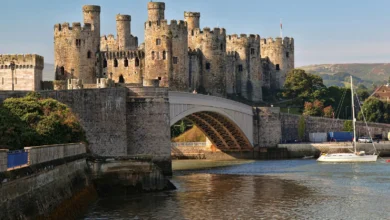

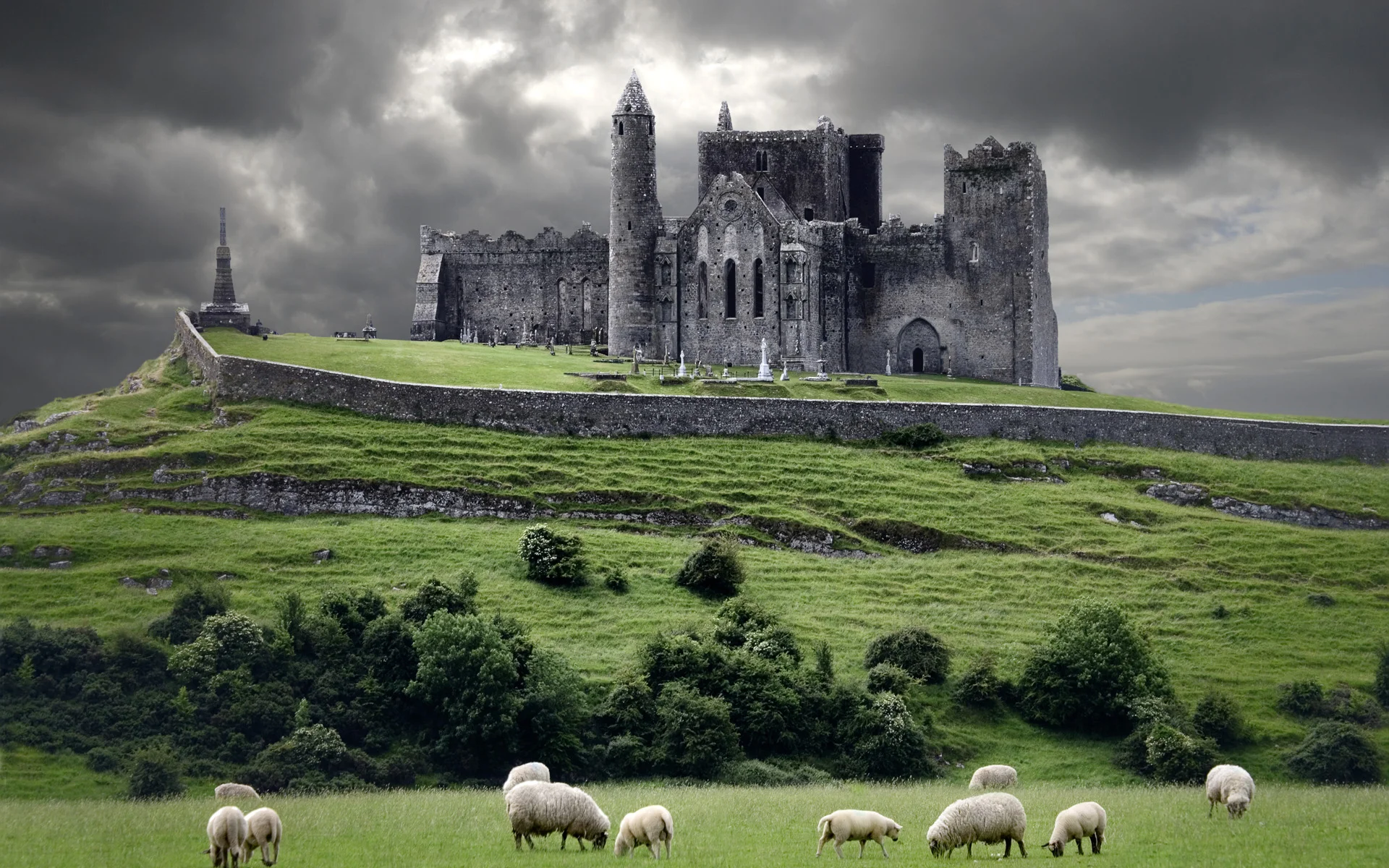
The island was shaped by a network of kingdoms, ruled by dynasties whose authority came from both heritage and tradition. At the center of this history are the High Kings of Ireland and a recurring royal name found across generations: Eochaid.
The High Kings of Ireland
In early Irish tradition, the island was ruled by provincial kings, but above them stood the High King, associated with the ancient seat of power at Tara.
The High King was not always an absolute ruler but a figure of authority, representing unity, law, and order across the land. His legitimacy depended on lineage, alliances, and recognition by other rulers.
Kingship was closely tied to moral and spiritual responsibility. A just king was believed to bring prosperity and balance, while an unjust ruler could bring disorder and decline.
Al-Baqarah 2:49–61 – Deliverance and provision, reflecting leadership and divine guidance.
Eochaid: A Name Across Generations
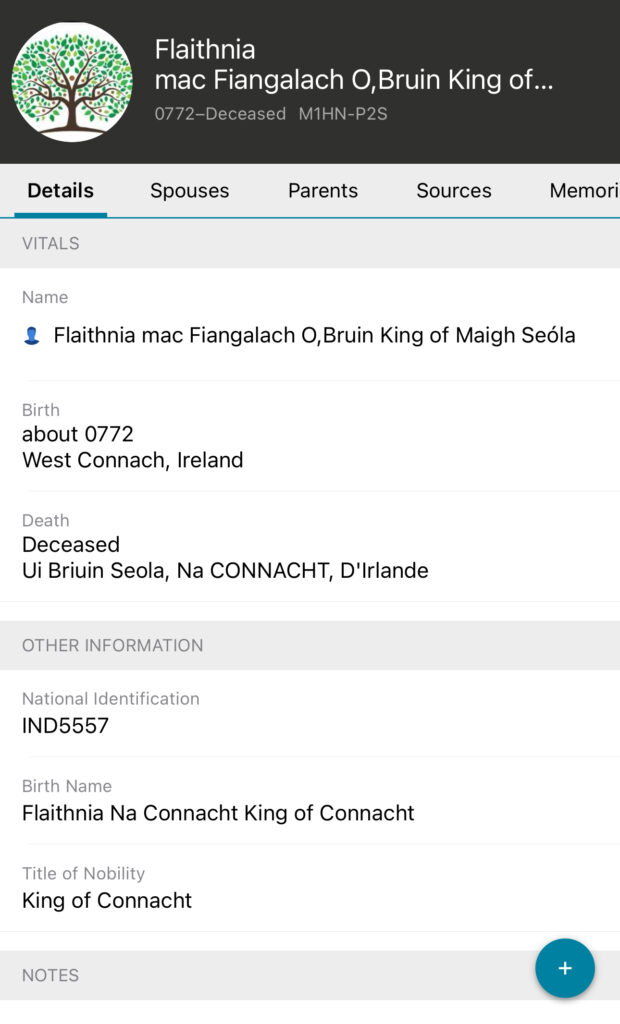
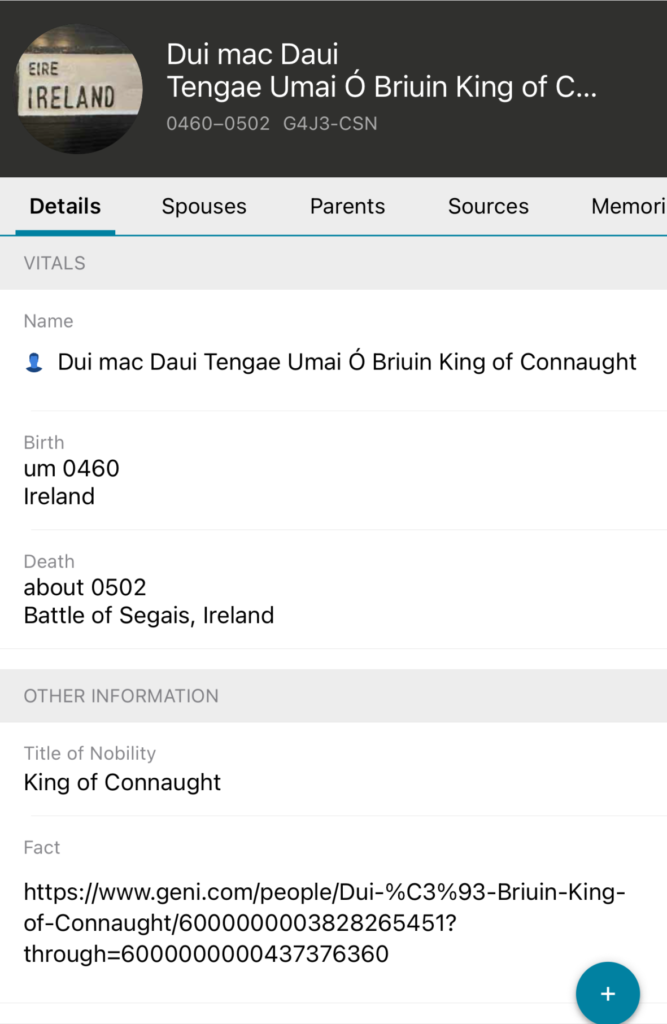
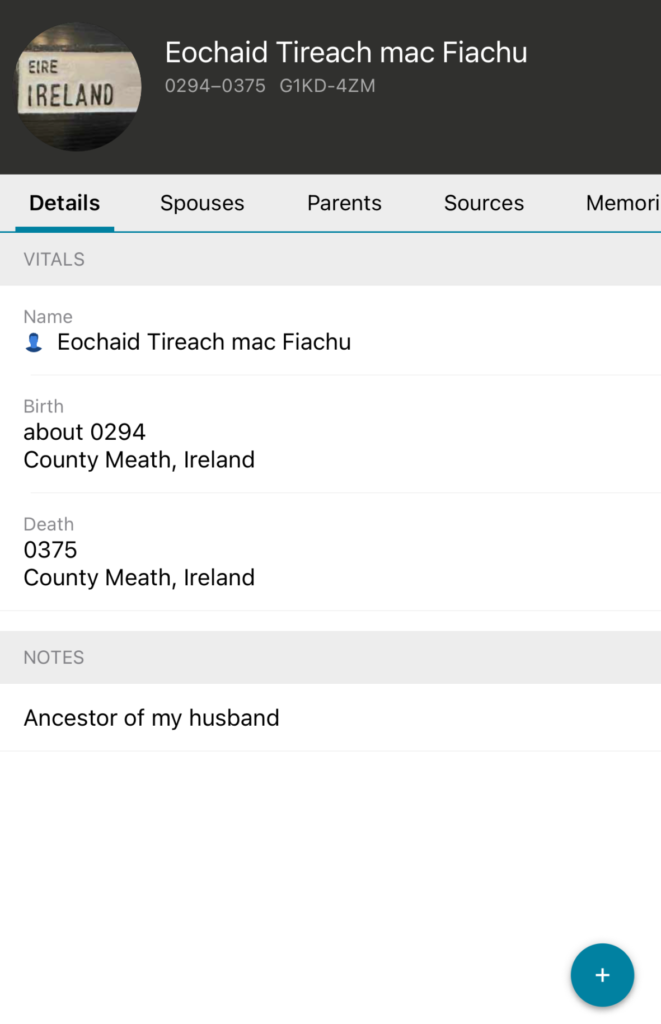
The name Eochaid appears repeatedly throughout Irish royal history. Rather than referring to a single individual, it represents a lineage of kings and rulers whose stories span both legend and recorded history.
Some of the most notable figures include:
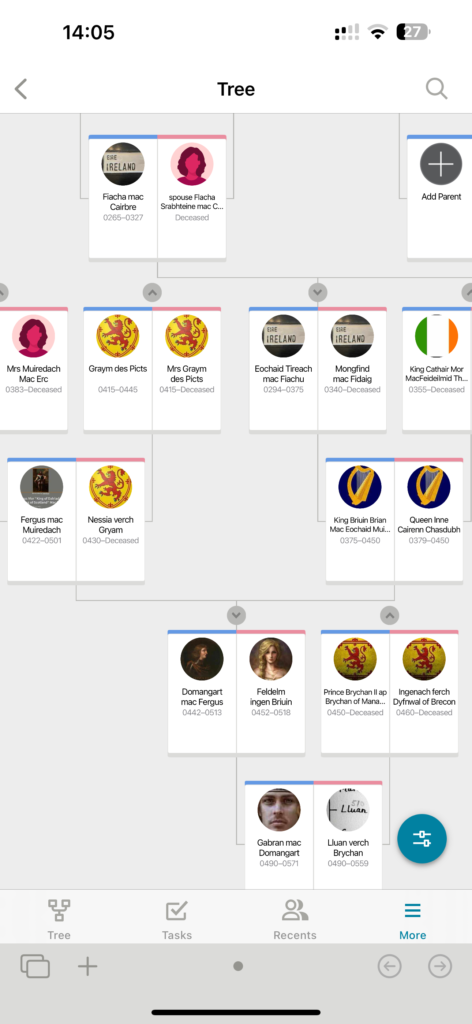
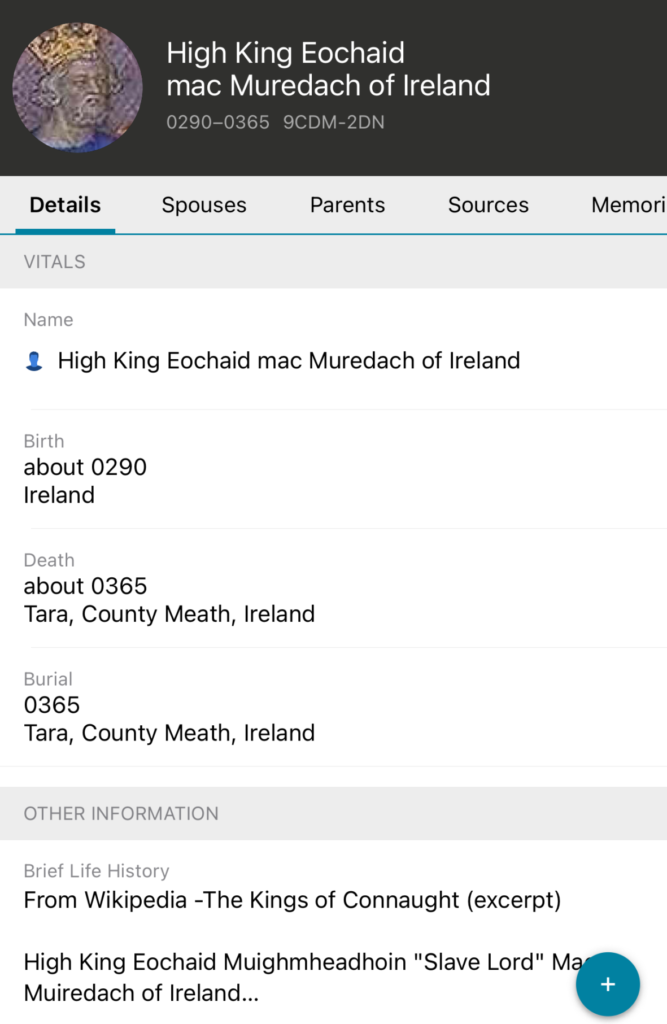
- Eochaid Mugmedón — remembered as a High King and father of Niall of the Nine Hostages, a key ancestor in many Irish genealogies.
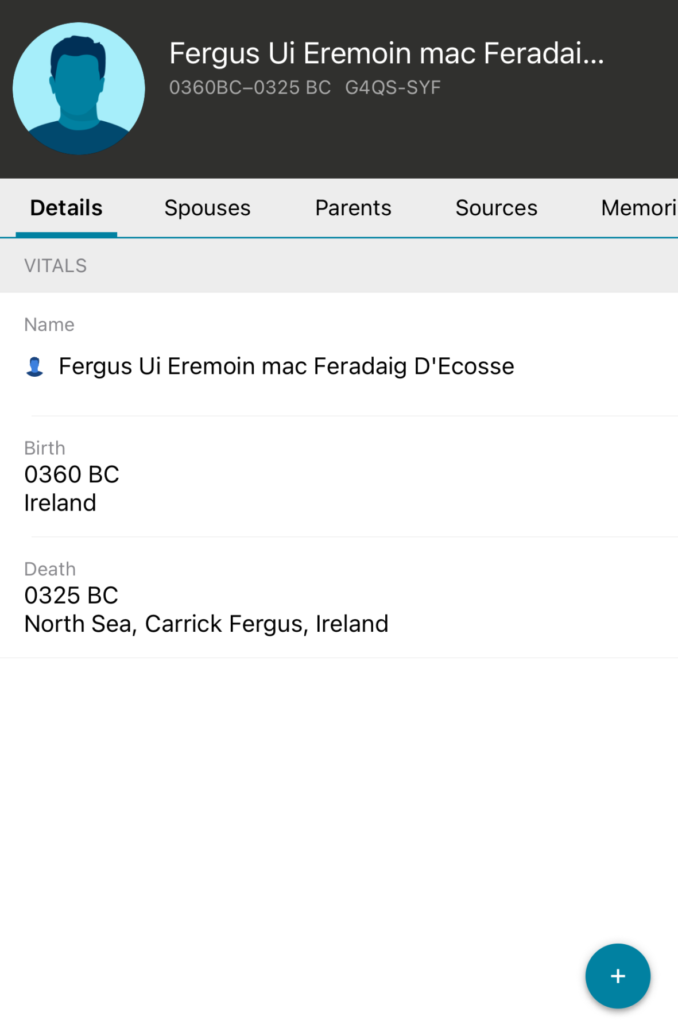
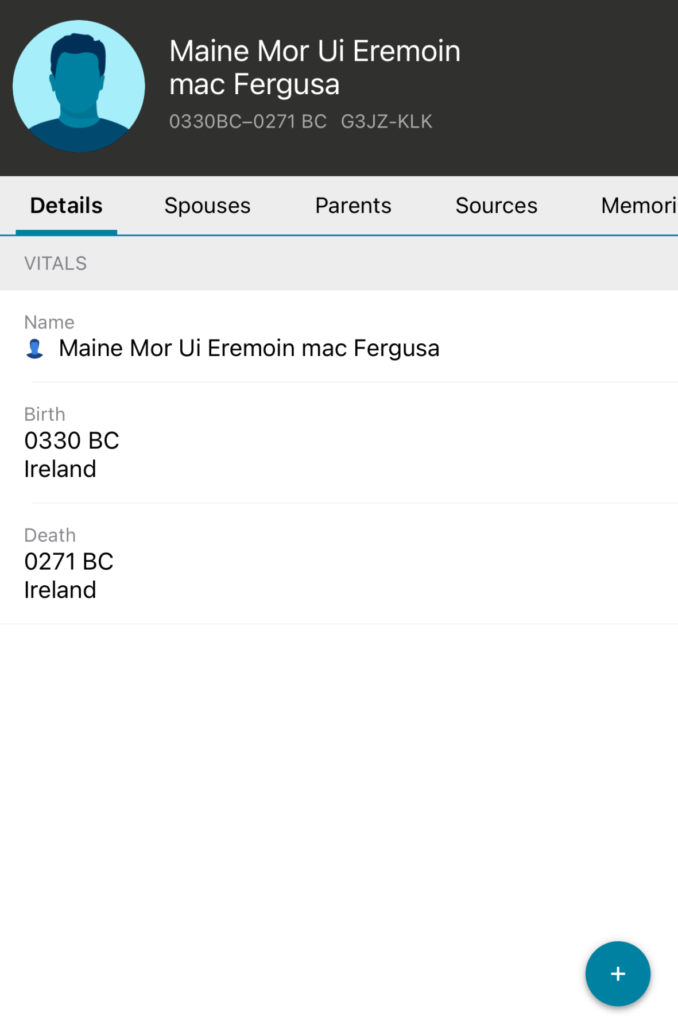
- Fergus Ui Eremoin Mac Feradaig — an important figure in early medieval Irish tradition, representing a branch of royal authority tied to both heritage and military leadership.
- Other kings named Eochaid appear in early traditions as rulers, warriors, and founders of dynasties.
The repetition of these names reflects continuity within royal lines, where names carried authority, memory, and identity across generations.
Al-Ma’idah (The Table) 5:20–26 – Covenant and inheritance, linking to the legitimacy of lineages.
The Scattering (Dispersion)
Royal authority and lineages did not remain intact; dynasties fragmented, territories shifted, and some families migrated.
- Al-Isra (The Night Journey) 17:4–8 – Corruption and dispersal, mirroring the division of kingdoms and families.
- Al-A‘raf (The Heights) 7:168 – Division into nations, illustrating how dynasties spread across Ireland and beyond.
Genealogy and Lineage
Genealogy was central to early Irish society. Lineage determined:
- The right to rule
- Social status
- Inheritance and land
Families preserved their ancestry through oral tradition, maintained by poets, historians, and learned scholars. These genealogies were later written down in manuscripts, forming one of the most detailed systems of lineage in early Europe.
- Al-A‘raf (The Heights) 7:103–160 – Stories of Moses and successive leaders, reflecting continuity in leadership.
- Yunus (Jonah) 10:75–93 – Prophetic leadership, highlighting moral authority across generations.
Tradition, Memory, and Record
Before written records became widespread, Ireland relied on a strong oral tradition. Skilled historians memorised long genealogies, royal successions, and historical events, passing them down with precision.
With the spread of Christianity, many of these traditions were recorded, preserving the names and lineages of early kings. While some accounts blend history with legend, they remain essential for understanding Ireland’s early royal structure.
Al-Qasas (The Stories) 28:3–46 – Moses’ story and lineage lessons, emphasising preservation of memory.)
Legacy of Early Irish Kings
The legacy of Ireland’s early kings continues to shape identity, heritage, and historical understanding. Names like Eochaid, and figures such as Fergus Ui Eremoin Mac Feradaig, are more than historical references—they represent continuity, lineage, and the enduring importance of ancestry.
Taha (Ta-Ha) 20:9–99 – Covenant, guidance, and leadership, linking moral responsibility to rightful rule.
Connection Beyond Ireland & Bridge to Scotland
Some Irish royal lineages extended beyond the island, influencing neighbouring kingdoms and shaping wider histories. Figures such as Alpín mac Echdach represent this connection between Irish and Scottish royal traditions, linking the histories of Dál Riata, early Scotland, and Ireland.
Some Irish royal lineages extended beyond the island, influencing the formation of early Scottish kingdoms. Fergus Ui Eremoin Mac Feradaig, along with other Irish dynasts, exemplifies this connection: his family ties, alliances, and authority helped shape the migration and establishment of ruling families in Dál Riata.
The Dál Riata kingdom, spanning parts of northeastern Ireland and western Scotland, became a crucial conduit for Irish royal traditions. Figures such as Alpín mac Echdach in Scotland can be traced back to these Irish royal networks, demonstrating the flow of lineage, culture, and governance across the Irish Sea.
This continuity highlights how names, titles, and genealogical memory—like those preserved through Eochaid and Fergus Ui Eremoin Mac Feradaig—did not remain confined to Ireland. They carried influence into early Scottish dynasties, laying the groundwork for monarchs such as Kenneth MacAlpin and, centuries later, the House of Stewart, culminating in James VI and I.
Connection Beyond Ireland: Bridge to Britain and Wider Lineage
While Ireland stands as a central foundation of early royal lineage, its influence did not remain confined to the island. Through migration, alliance, and shared heritage, Irish dynasties extended their reach across neighbouring lands, shaping the development of early kingdoms beyond Ireland.
Across the Irish Sea, these connections linked Ireland to Scotland, Wales, and England, forming a continuous network of royal, cultural, and genealogical exchange. Maritime routes enabled the movement of rulers, families, and traditions, preserving lineage while adapting to new regions.
The kingdom of Dál Riata stands as a key example of this transition, bridging Irish High Kingship with the emergence of early Scottish monarchy. Through such connections, names, titles, and ancestral memory carried beyond Ireland, shaping the identities of ruling families across Britain.
This movement reflects a broader pattern of lineage and dispersion:
Al-Isra (The Night Journey) 17:4–8 – Corruption and dispersal
Al-A‘raf (The Heights) 7:168 – Division into nations
From Ireland, these lineages continued into neighbouring lands, forming the next stage of historical and genealogical development.