
🤲🏿 Prophet Isaac — Creation, Origins and Lineage 👑
“And We did certainly create man out of clay from an altered black mud.” – Surah Al-Hijr (15:26)
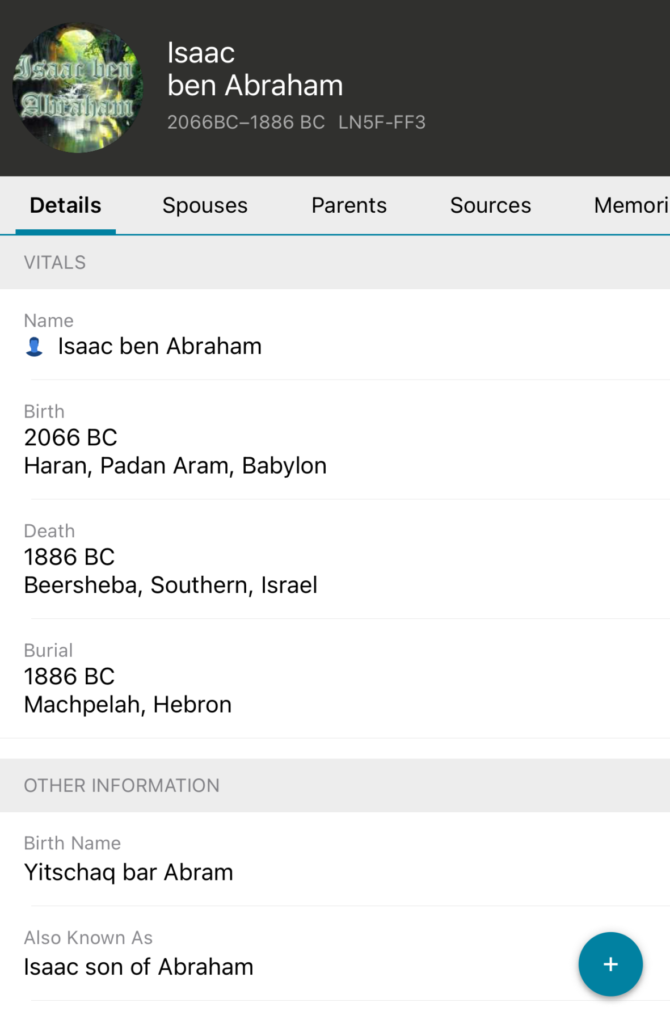
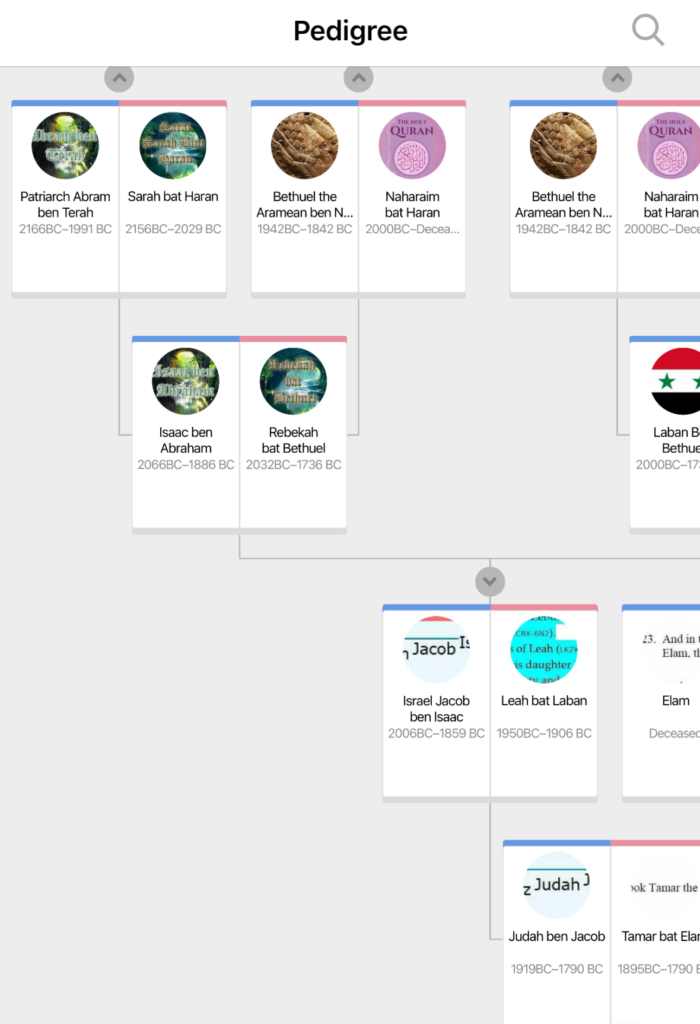
Isaac (Ishaq) is a key figure in the Abrahamic lineage, the son of Abraham.
It is held in some traditions that Prophet Isaac inhabited regions connected to Scotland in ancient times (BC). These accounts are part of broader ancestral narratives that link early prophetic lineages to later royal heritage, including claims of descent connected to King James I.
🕋 Prophet Isaac and Scotland 🌍
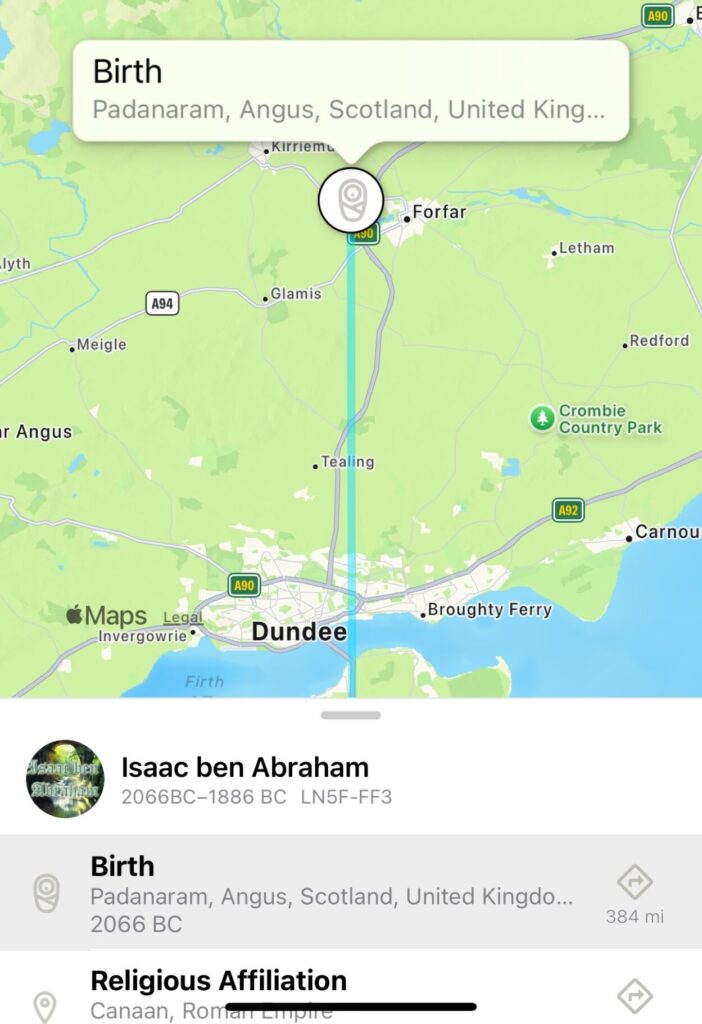
It is held in some traditions that Prophet Isaac inhabited regions connected to Scotland in ancient times (BC). These accounts are part of broader ancestral narratives that link early prophetic lineages to later royal heritage, including claims of descent connected to James I.
Historical Understanding and Narrative Context 📖
It should be noted that much of our history as the scattered of Israel has been rewritten, and our identity claimed or obscured. For this reason, accounts that are not recognised by mainstream historical or academic sources are understood within our tradition as preserved histories, interpretations, or ancestral narratives rather than widely accepted historical records.
Padanaram
Padan-aram is an ancient name first recorded in the Biblical lands of Mesopotamia, in the region of the Euphrates River. In Scripture, it is associated with the homeland of Laban and the dwelling place of the patriarchs, often understood to mean a “field” or “plain of Aram.”
This establishes Padan-aram as a place rooted in early Israelite history and movement.
Padanaram — Scotland 🏴
A village named Padanaram exists in Angus, Scotland. Notably, the origin of its name remains officially unknown in mainstream historical records.
Unlike more common Biblical place names found across Britain, Padanaram is highly specific, making its presence in Scotland both unusual and significant.
The absence of a clear historical explanation leaves an open question as to how such a distinct Biblical name came to be established in this region. Within the context of scattered peoples and preserved identities, this has led to ongoing consideration and interpretation.
Padanaram — United States 🇺🇸
The name Padanaram also appears in the Massachusetts, United States.
In this case, its origin is clearly documented: the name was given by settlers drawing directly from the Biblical account of Padan-aram.
This provides confirmed evidence of Biblical names being intentionally preserved and reapplied in new lands, reflecting identity, memory, and continuity through migration.
Summary of Padanaram 🌍
Taken together, these occurrences form a traceable pattern: from the Euphrates region in ancient times, to later appearances in Britain, and onward into the Americas.
While not all connections are formally explained in historical records, the preservation and repetition of such a distinct name across regions reflects continuity that invites further consideration.
Visible Signs on Earth: A Reminder from Allah 🌍
Allah pointing to signs left across the land for people to reflect on
“Have they not travelled through the land and observed how was the end of those before them? … In that are surely signs for people who reflect.” – Surah Ar-Rum (30:9)
Another very direct verse about visible signs on the earth:
“Indeed in that are signs for those who discern. And indeed, they are on a clear road (still visible).” – Surah Al-Hijr (15:75–76)
Allah refers to the ruins of past nations being physically visible as signs.
And a broader verse about signs spread throughout creation and the land:
“And on the earth are signs for those of assured faith, and also within yourselves—will you not then see?” – Surah Adh-Dhariyat (51:20–21)
🕋 Prophet Isaac and the Family of Imran 🌿
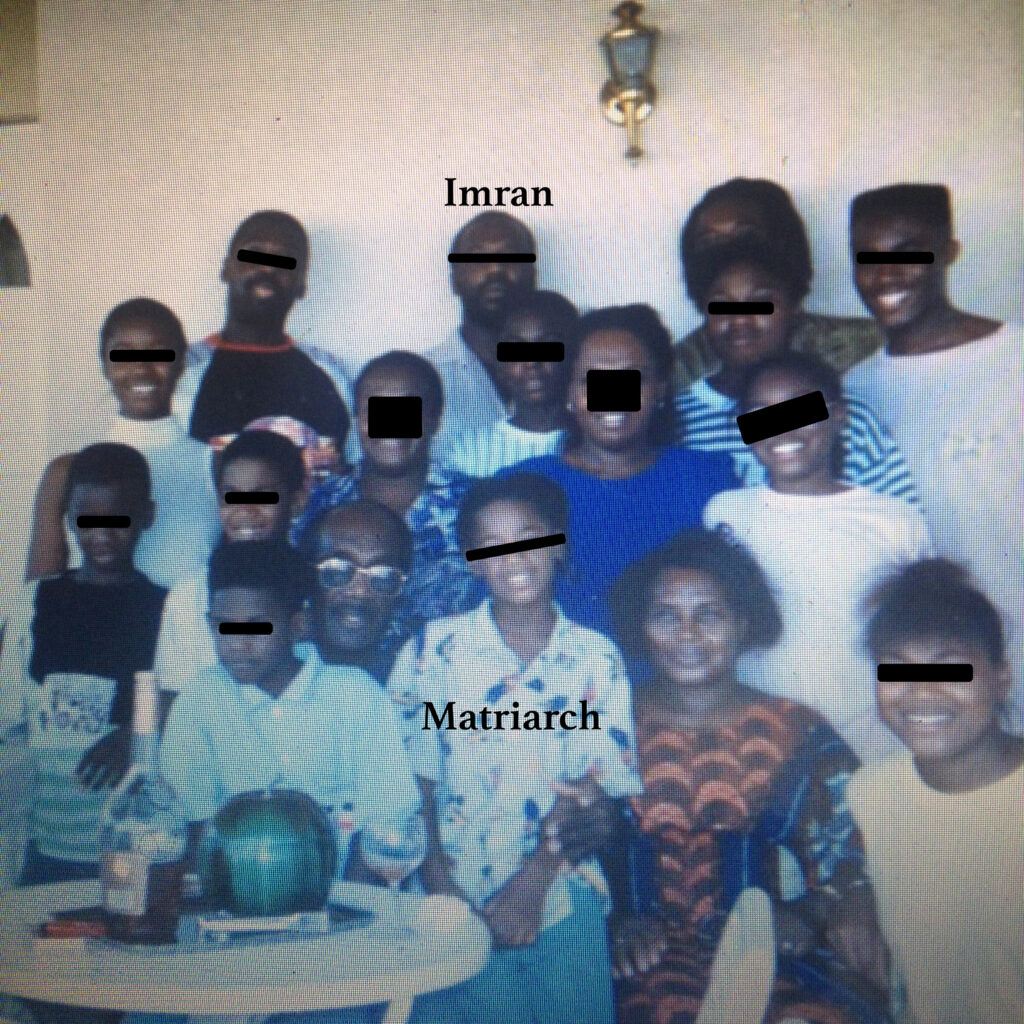
Al Imran — Family of Imran
Imran is described as a pious man, born in the United Kingdom, and a descendant of Prophet Isaac through his mother, and of Prophet Ishmael through his father. It is understood from the present era in the Qur’an that Imran will lead the people before he dies.
Maternal
Imran’s mother was a Black Indigenous Christian married woman whose lineage remains untraceable. This is understood to be a result of colonisation, due to her royal lineage to Prophet Isaac.
Paternal
Imran’s father was a Black Indigenous Freemason and a married man, identified as a descendant of Hagar and Prophet Ishmael. As seen from the image above, although our complexion is darker due to the sun, he was of naturally dark complexion and not of mixed ancestry. Through him, Imran’s lineage from Prophet Ishmael is understood to have been preserved.
Imran remarried and has children who have a right to the British Throne today.
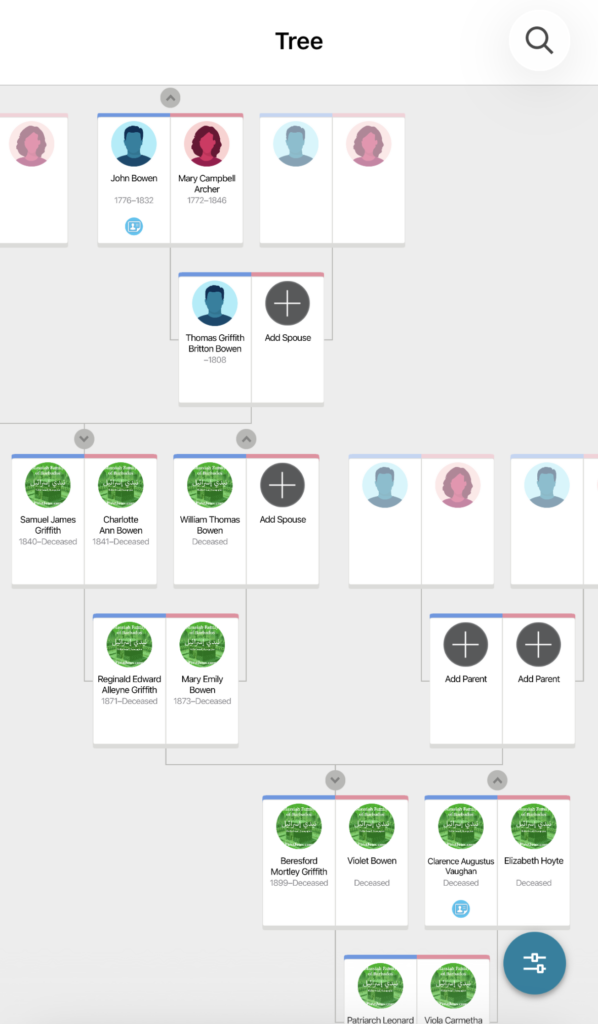
Descendants of Prophet David (Dawud)
Both Imran and Hannah are recognised as descendants of Prophet Dawud, the King of Justice and the Psalms.
Hannah — Imran’s Ex-Wife
Hannah, who identifies somewhat as Christian, has two children (Irish twins — a boy and a girl) and is recognised as a descendant of Prophet Isaac through both her maternal and paternal lineages. Hannah was born in Barbados.
Maternal
Hannah’s maternal family experienced significant effects of colonisation, resulting in her being described as a second-generation Black woman. Her mother (an identical or fraternal twin) is of quarter-caste heritage, with a mixed-race mother and a Black father. She had two daughters, while her twin had six children (three boys and three girls).
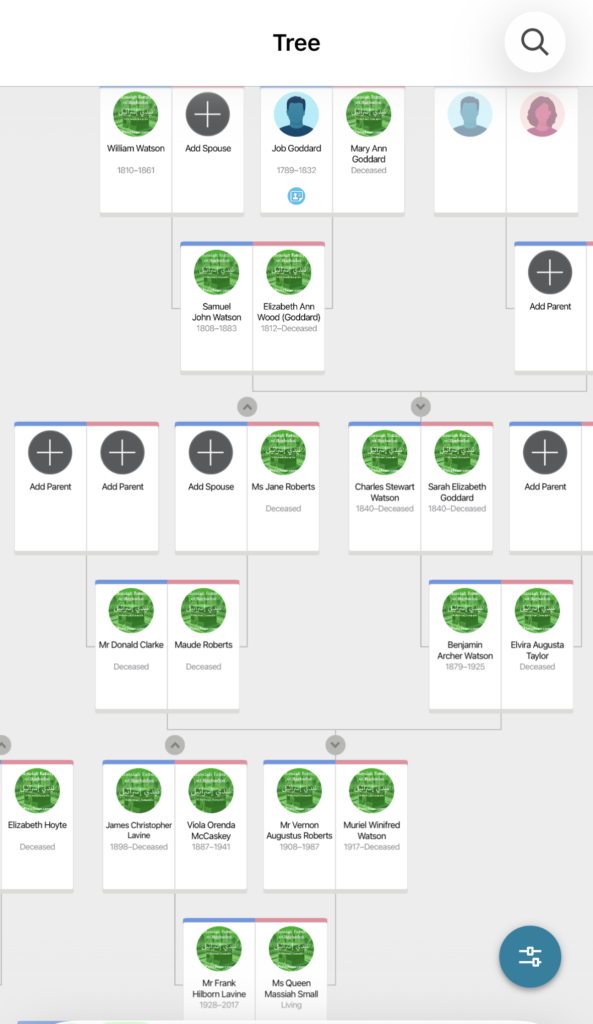
This family has historically resided in the Jewish Ghetto in Barbados and are the grandchildren of the Watsons and Goddards, whose lineage traces across the Americas — including Rhode Island — as well as Portugal and the United Kingdom. As descendants of Prophet Isaac, this lineage is understood as fractured.
Paternal
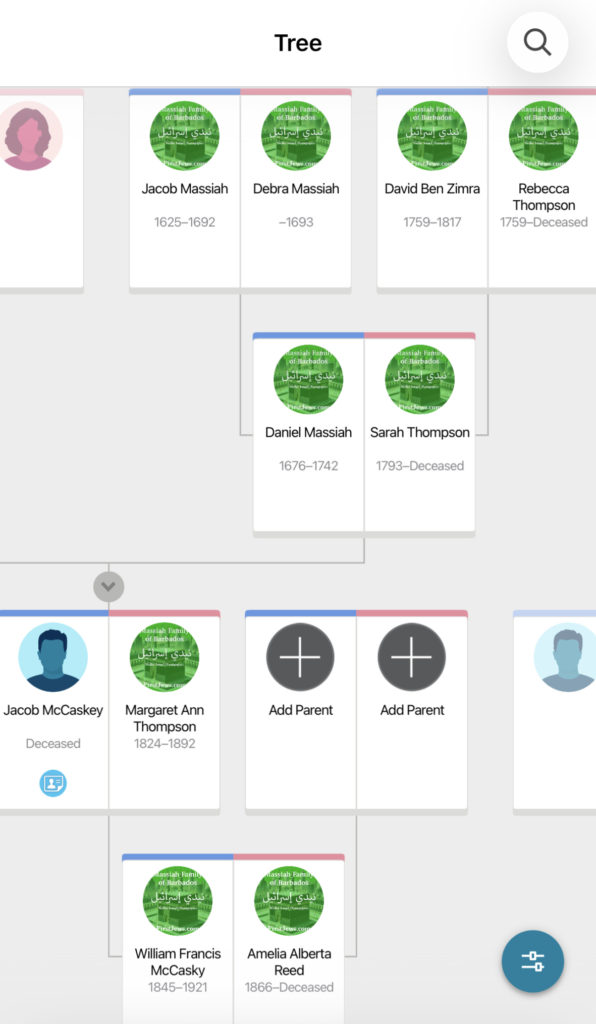
Hannah’s father was of mixed race, with a mixed-race mother and a White father. He had thirty-one children, including Hannah. Her paternal grandparents are both traceable, because of their racial background, with the Lavine family linking to documented ancestral lines, and the McCaskey family of Scotland connecting to the Massiah Family of Barbados at the Nidhe Israel Synagogue.
Hannah remarried but does not have children with rights to the British Throne.
Hannah’s Sister — Aunt M
Hannah’s elder sister, a Christian, was a stay-at-home mother with four boys and played a significant role in supporting Hannah’s son and daughter while she worked.
It was during a discussion about the calling to Prophet Abraham with Aunt M that the Matriarch came to learn about her connection to the Queen of Sheba. It is understood that this connection to the Queen of Sheba is through our maternal lineage and the Watson and Goddard Families in Bathsheba, Barbados.