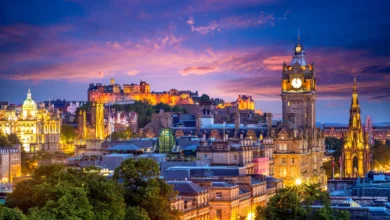

Bathsheba — Land, Memory, and Ancestral Origins 🌊
Bathsheba, a coastal village on the east of Barbados, was shaped not only by the Atlantic Ocean but also by the hands of those brought to the island from afar. Historical memory suggests that the parishes (such as St James, Saint Joseph, Christ Church) and the village’s name reflect the origins of the enslaved Children of Israel, preserving a connection to their ancestral lands and identity. Generations of fishing, tending the land, and sustaining families forged a unique cultural and geographic presence that survives in local memory and surnames today.
Situated within the Scotland District, one of the island’s oldest geological regions, Bathsheba’s rugged terrain, eroded soils, and elevated land define both its challenges and character. The village represents a convergence of:
- Land
- Sea
- Family
- Survival
- Inherited identity
“And on the earth are signs for those of assured faith, and also within yourselves—will you not then see?” — Adh-Dhariyat (The Scattering Winds) 51:20–21
Fishing Heritage — Watson and Goddard Families 🎣
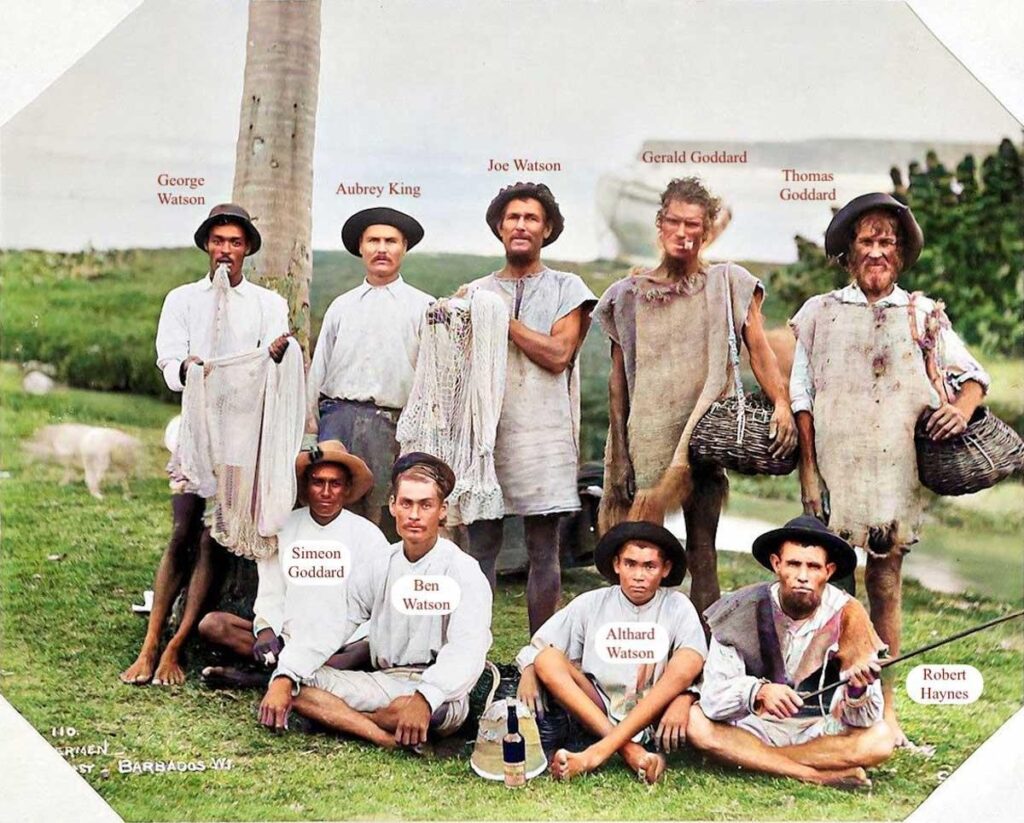
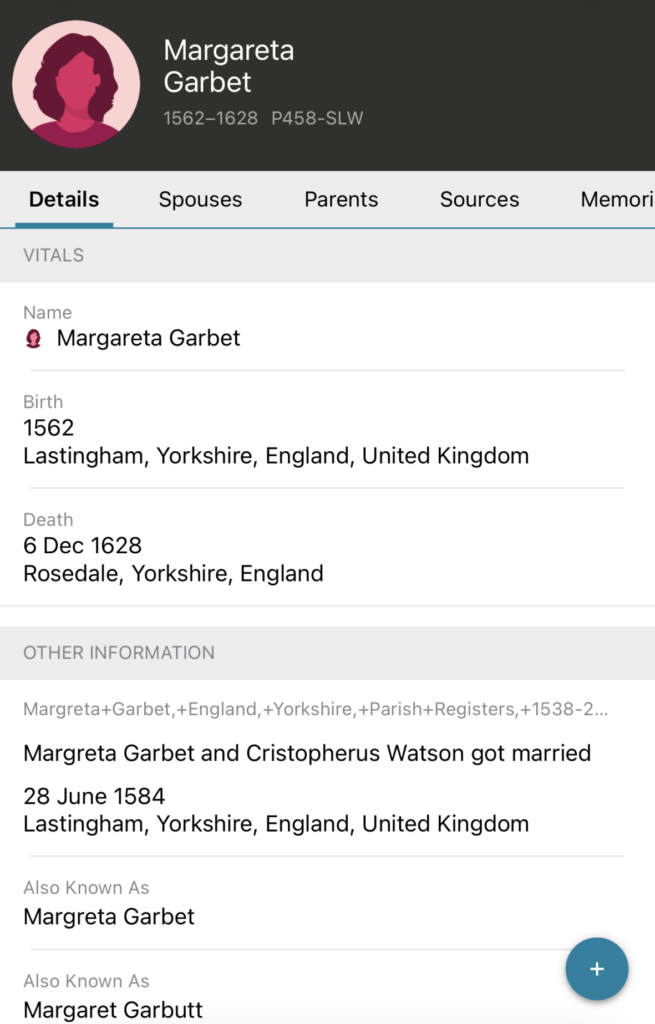
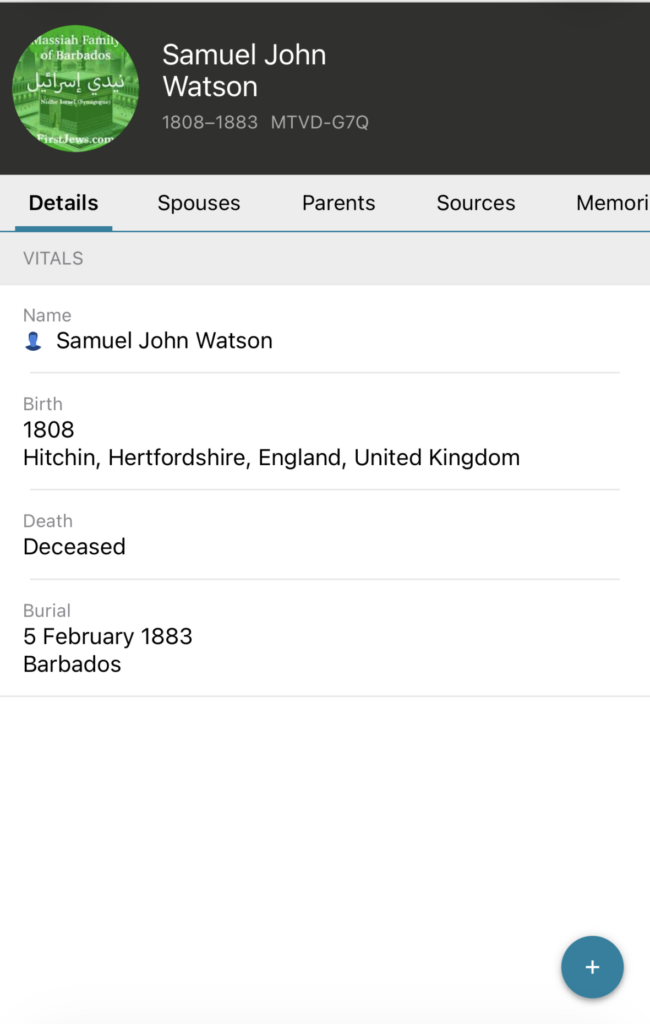
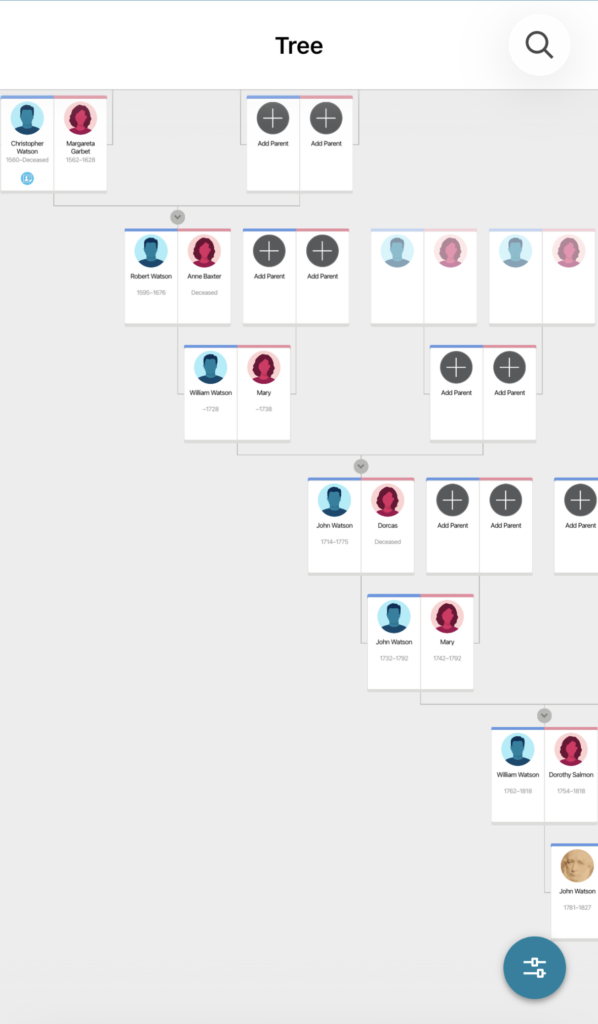
The Watson and Goddard families are historically associated with Bathsheba’s fishing community. Fishing was not merely an occupation but a way of life, passed down through generations:
- Fathers teaching children the sea
- Knowledge of tides, currents, and seasons
- Skills shaped by the Atlantic’s intensity
Despite hardship—poverty, hunger, and disease—these families endured through:
- Strong kinship networks
- Shared labour
- Collective identity
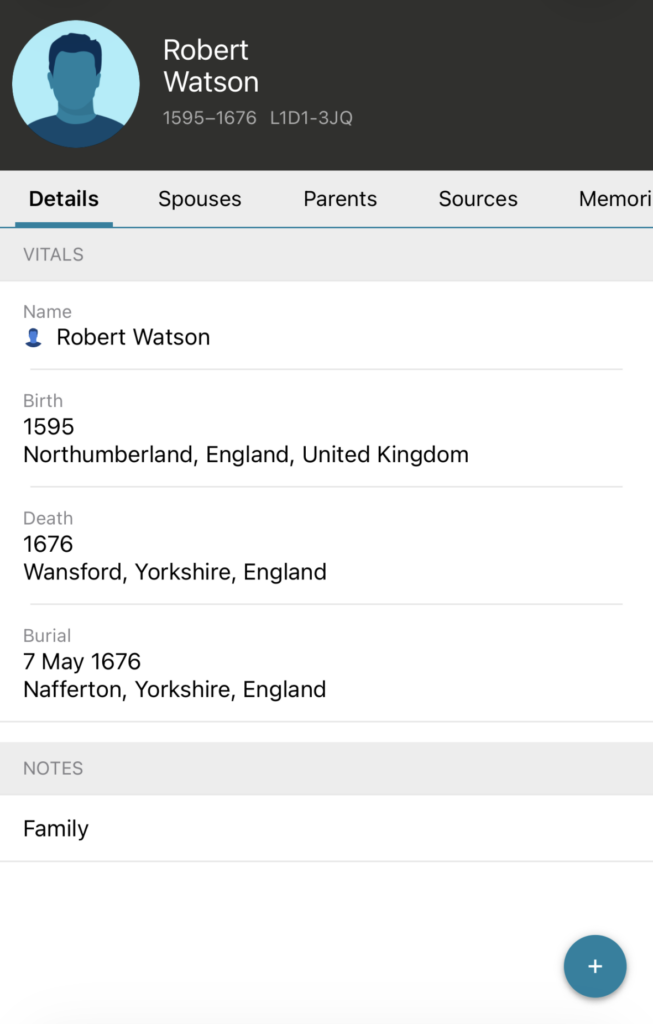
This generational continuity reflects a deep and enduring relationship with both land and sea, where ancestry is lived rather than abstract. The Watson name is also known beyond Barbados, reflecting connections across regions, such as Jamaica.


Biblical Naming — Bathsheba and the Land 📜
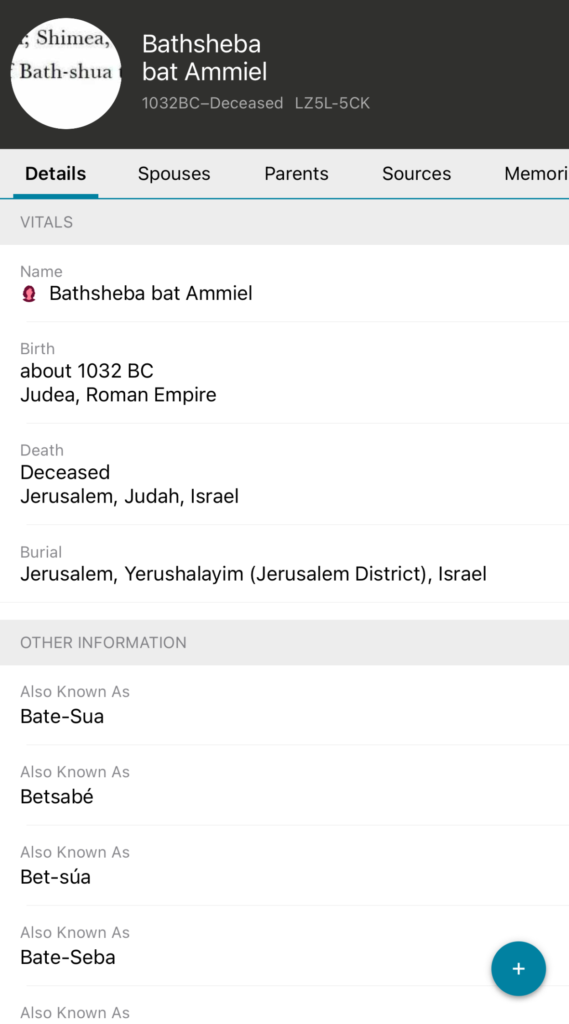
The name Bathsheba connects the land to biblical memory. She was the wife of King David, and her story resonates as ancestral reference for the Children of Israel brought to Barbados. Beyond local lore, Bathsheba represents:
- Ancestral memory
- Connection to the lineage of the Children of Israel
- The intertwining of land, scripture, and identity
This reflects a wider pattern across Barbados, where geography and spiritual meaning are closely linked.
“And indeed this, your religion, is one religion, and I am your Lord, so worship Me.” — Al-Anbiya (The Prophets) 21:92
Prophetic Continuity — From Abraham to Samuel ✡️
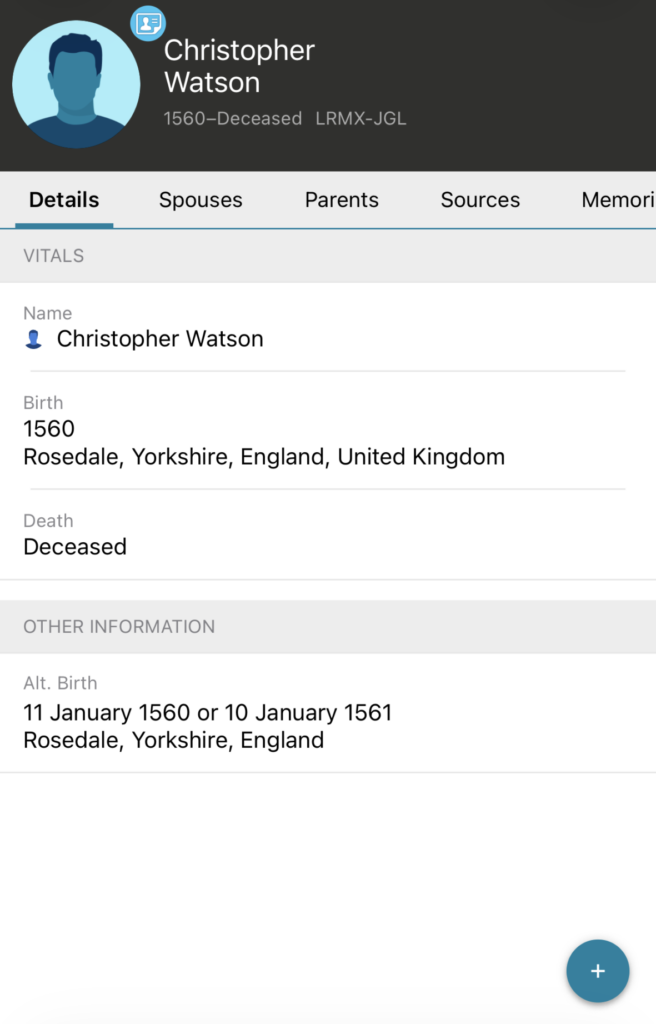
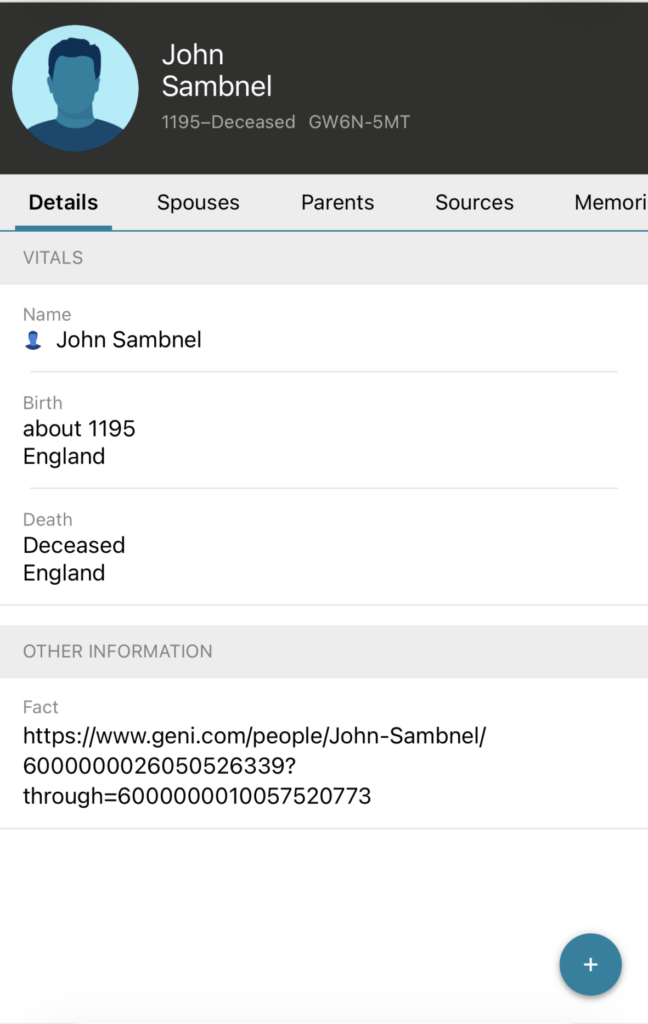
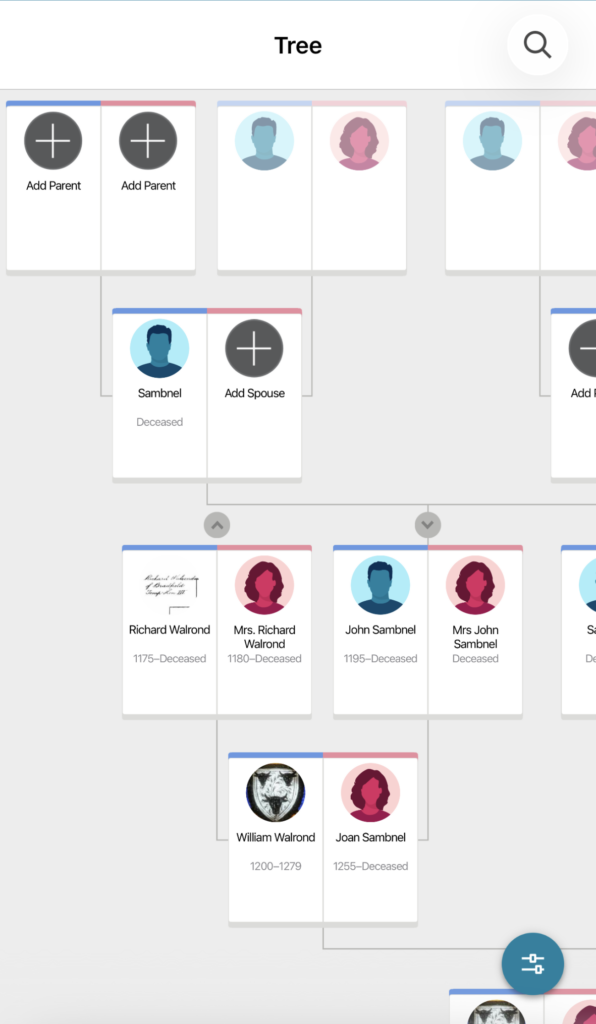
Within the lineage of the Children of Israel, Prophet Samuel (peace be upon him) stands as a central figure of guidance, transition, and covenant preservation. Names beginning with “Sam” (such as Sambnell) derive from Samuel, reflecting continuity of prophetic identity. Samuel meaning “God has heard” or “name of God” served as:
- Prophet (from the Anbiya)
- Judge
- Spiritual reformer
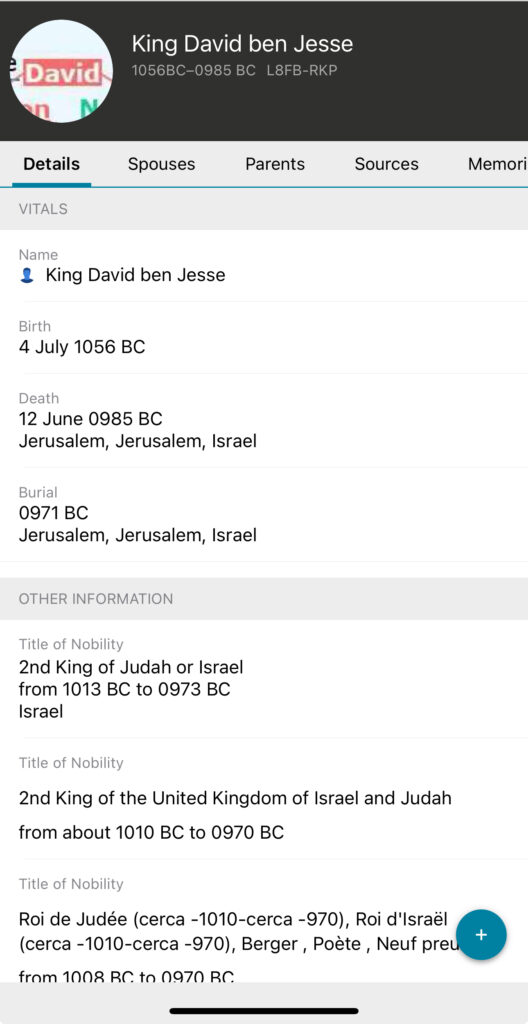
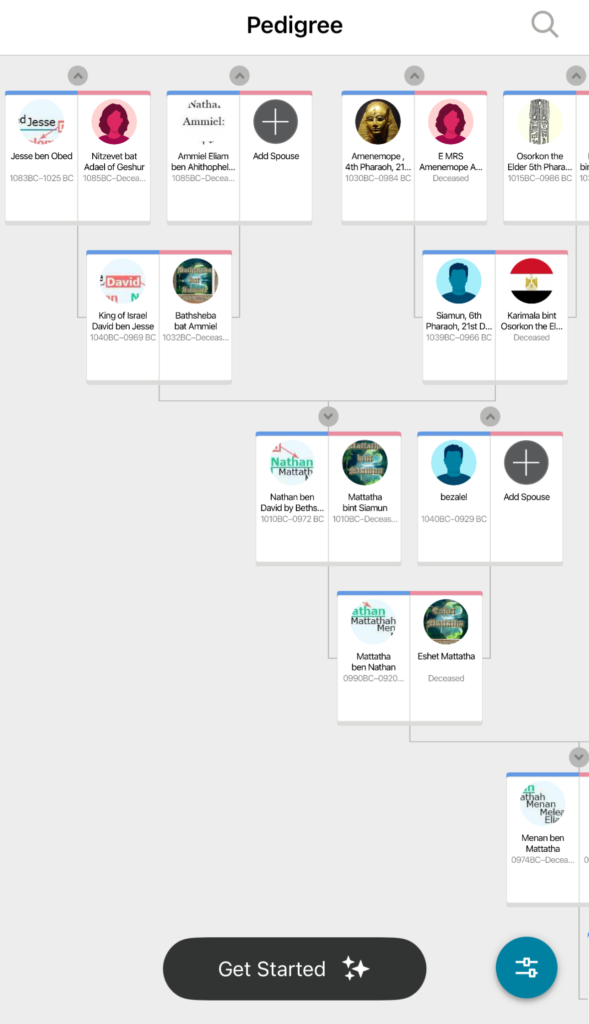
He anointed King David, connecting him to the royal and prophetic line associated with Bathsheba.
“Indeed, Allah chose Adam and Noah and the family of Abraham and the family of ‘Imrān over the worlds.” — Āl ʿImrān (The Family of Imran) 3:33
Lineage Map — Abraham to Samuel 🌳
Abraham (Ibrahim)
│
└── Isaac (Ishaq)
│
└── Jacob (Ya‘qub / Israel)
│
└── Levi
│
└── Kohath
│
└── Elkanah
│
└── Samuel
Key Points in the Connection 🔑
- Samuel descends directly from Abraham through Isaac and Jacob.
- He belongs to the Children of Israel, entrusted with divine guidance.
- He bridges prophethood and kingship, anointing David.
- His role represents covenant, leadership, and accountability.
“And We made from among them leaders guiding by Our command when they were patient and were certain of Our signs.” — As-Sajdah (The Prostration) 32:24
Dynasty and Legacy — Royal Lines of Britain 👑
The lineage of the Children of Israel extends through generations, with connections to European royal houses, including:
Through succession and inheritance, this lineage reaches:
- King James I
- King James II
King James I was a descendant of the twelve tribes of Israel, including the ten lost tribes, forming part of the wider diaspora of the Children of Israel.
“O Children of Israel, remember My favour which I have bestowed upon you…” — Al-Baqarah (The Cow) 2:40
It is our belief that the covenant culminates with King James I, who stands as the pinnacle of the continuation of the diaspora and the legacy of the Massiah Family of Imran. King James demonstrates inheritance, rulership, and preservation of memory, aligning with the covenantal responsibilities of the Children of Israel.
The O’Neill, O’Brien, and MacCarthy dynasties represent Gaelic royal preservation for the scattered within this wider framework:
Transatlantic Heritage — Movement and Continuity 🌍
United Kingdom — Scotland and Britain 🏴🇬🇧
Many Barbadian surnames, including Watson and Goddard, reflect historical ties to the United Kingdom, particularly Scotland. This is echoed in:
- The Scotland District
- Naming patterns
- Migration histories
Rhode Island — Atlantic Connections 🌍
Barbados formed part of early Atlantic trade and migration networks linking to Rhode Island. Jamestown (1678) was founded by English settlers, including colonial figures such as Benedict Arnold (Governor of Rhode Island).
Jamestown was named in honour of King James I, marking the significance of his lineage in the early colonial foundations of the Americas. His legacy continues to resonate within the diaspora, tying Rhode Island’s establishment back to the enduring heritage of the Massiah Family of Imran.
Portugal — Maritime Influence
Portuguese exploration shaped early Atlantic movement, influencing:
- Navigation routes
- Cultural exchange
- Naming traditions
Land, Surnames and Ancestral Origins 🏡
de Bradfelle / Bradfield
- “Broad field”
- “de” = “of/from” (indicating land-based identity)
- Devon — Uffculme and Bradfield
- Uffculme is an ancient settlement
- Bradfield exists within this parish
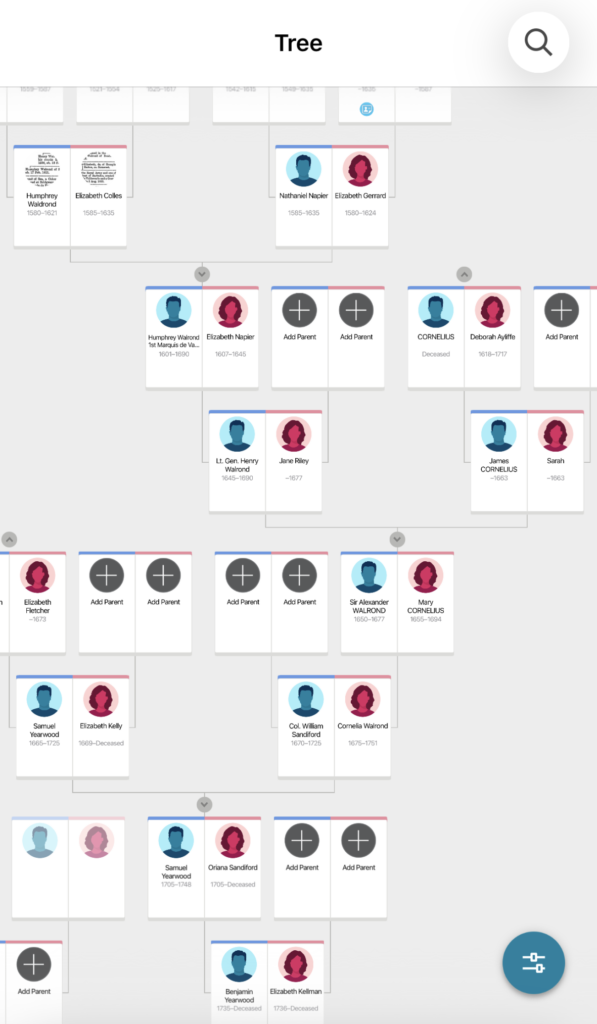
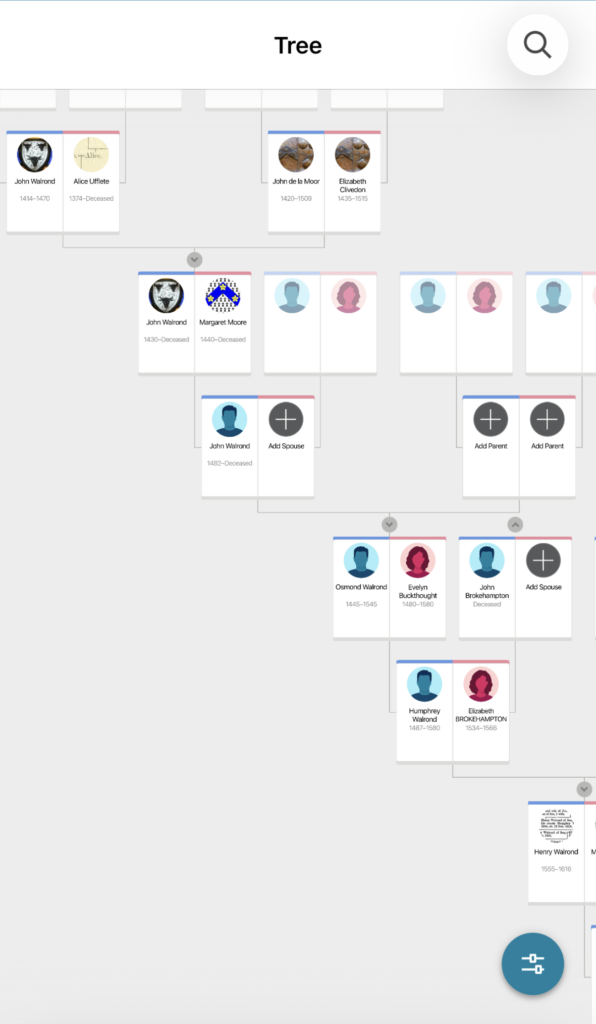
- The Walrond family became long-standing landholders, reflecting stewardship and inheritance
📌 European Connections
| Surname | Origin | European Context | Spread |
|---|---|---|---|
| Cornelius | Latin (Roman) | Adopted into Dutch/German/English use; medieval–early modern | Europe → British Isles → global |
| Sandford | English place-name | Medieval England / some Scottish variants | UK → Americas & Commonwealth |
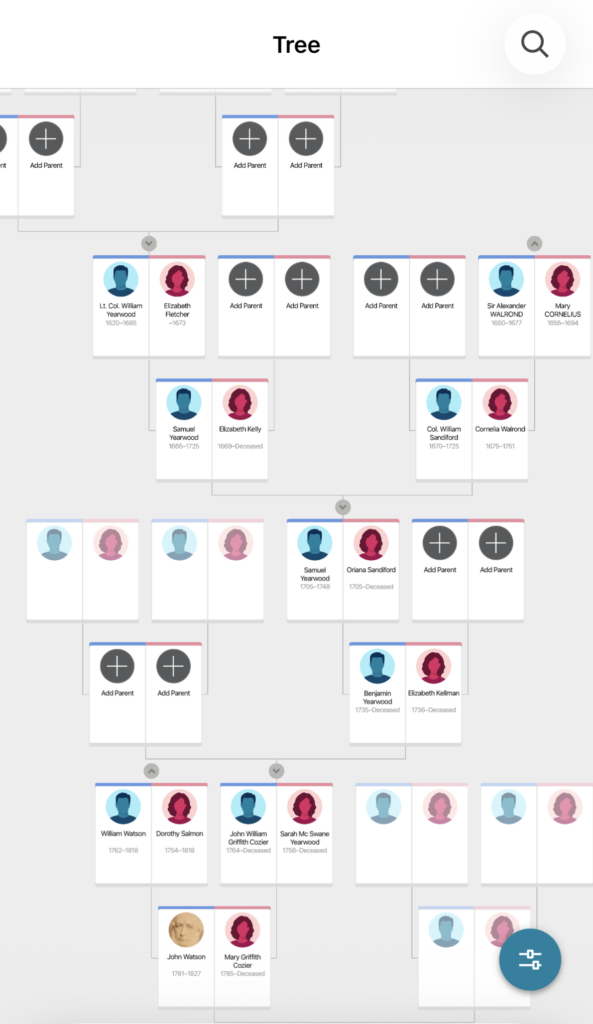
| Yearwood | English locational | Medieval England variant of Yarwood | England → USA/Caribbean/Canada |
Milesian Tradition (Contextual)
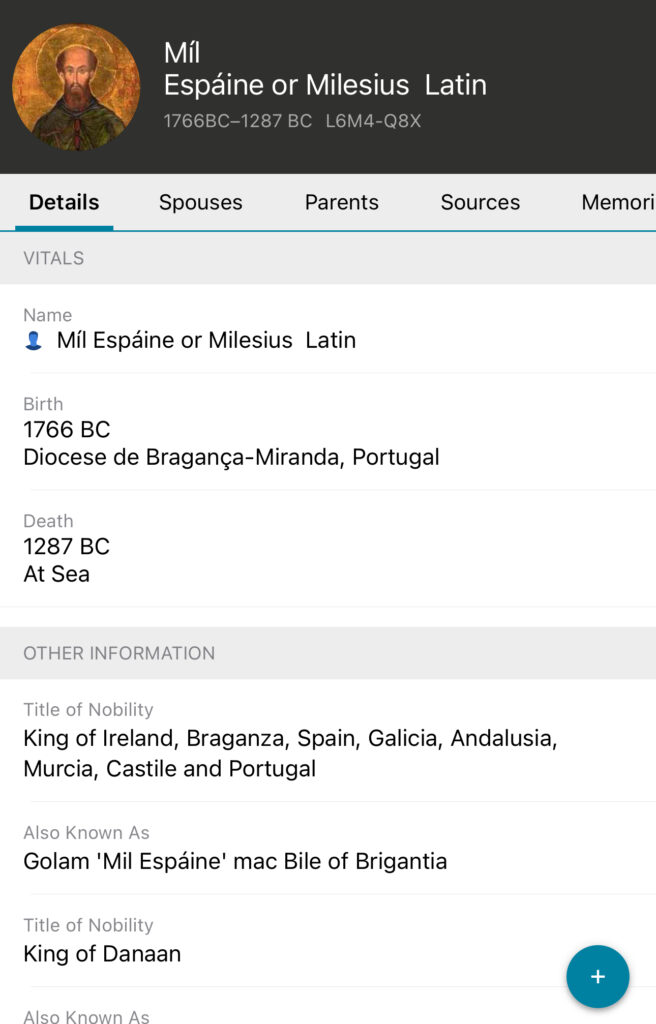
The Milesian narrative centres on Míl Espáine, describing Gaelic origins, migration memory, and the scattering of Israel’s lineage through Japheth.
The Jewish Ghetto, Bridgetown, Barbados ✡️
In 1668, discriminatory laws in Bridgetown restricted the Jewish community economically and socially:
- Jews were banned from most forms of trade
- Restricted from owning large amounts of land
- Confined to a designated area, informally known as the Jewish Ghetto, a place connected to historical family memory
The Sephardi/Ashkenazi communities were distinct and should not be confused with the Black enslaved Children of Israel on the island.
Gradual Decline and Assimilation
The early Sephardic community was established in the mid-1600s and continued into the 18th century. By 1831, a major hurricane disrupted the population and weakened the community. Over time, many families:
- Emigrated
- Assimilated into wider society
- Intermarried and adopted Christianity
By 1929, continuous traditional Jewish practice on the island had effectively ended.
Assimilation and Cultural Traces
Some descendants remained in Barbados after the decline of the original community. Over generations, many assimilated into Christianity and the surrounding society. While distinct identity was largely not maintained, traces may at times have remained through family memory. These traces, where present, reflect remnants of earlier identity rather than an ongoing or preserved tradition, and are distinct from the lineage and lived experience of the Sephardi or Ashkenazi settlers on the island.
Generational Preservation — Land, Lineage and Identity 🌱
Across Barbados, Britain, and the Atlantic world:
- Knowledge is passed through generations
- Land shapes identity
- Names preserve origin
- Faith preserves truth
The Watson, Goddard, Sambnell, Walrond, and de Bradfelle families demonstrate:
- Stewardship and connection to the land
- Preservation of local traditions and family memory
- Survival and continuity of practical knowledge
These families represent part of the broader, dispersed lineage of the ancestors in Barbados and Britain. While they are not part of the prophetic continuity, their lives reflect the resilience, memory, and adaptation of ancestral heritage, contributing to the historical and cultural landscape from which the Massiah Family of Imran later emerges as the continuation of Allah’s chosen guidance through Islam.
Conclusion 📝
The Watson and Goddard families reflect a lineage shaped by:
- Barbadian survival and fishing heritage
- British and Irish royal connections
- Transatlantic movement
A lineage grounded in land, shaped by experience, and recognised through memory.