
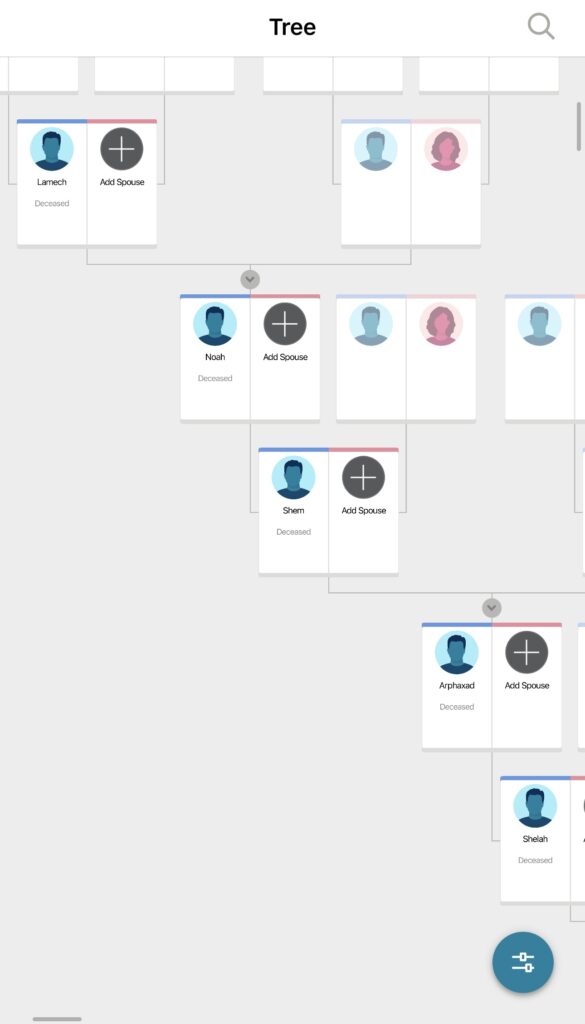
Our Family Tree to Prophet Nuh (Noah)
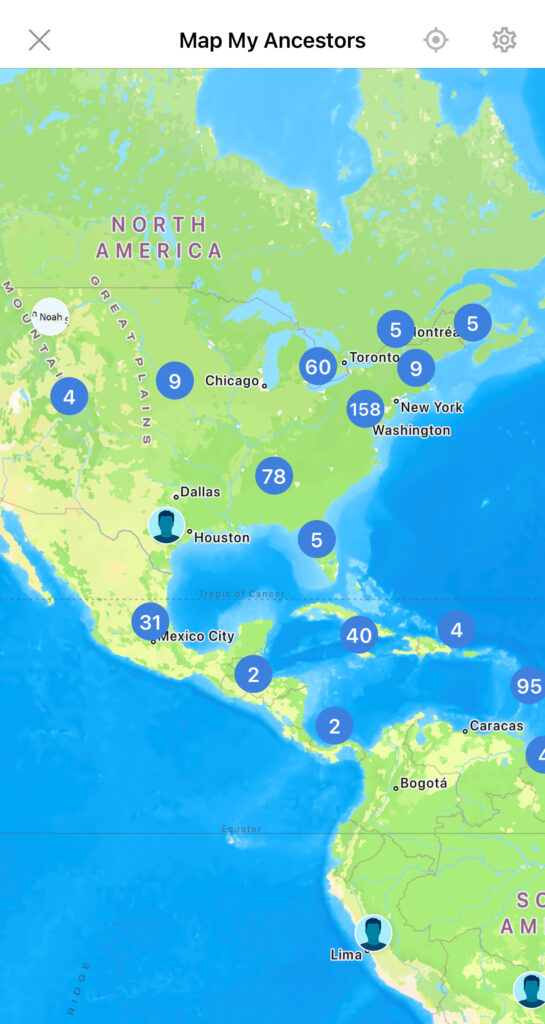
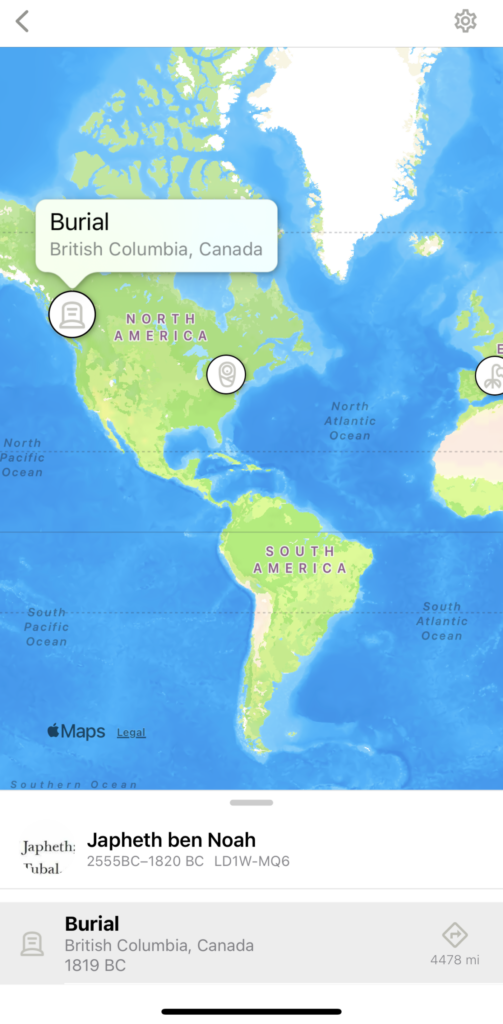
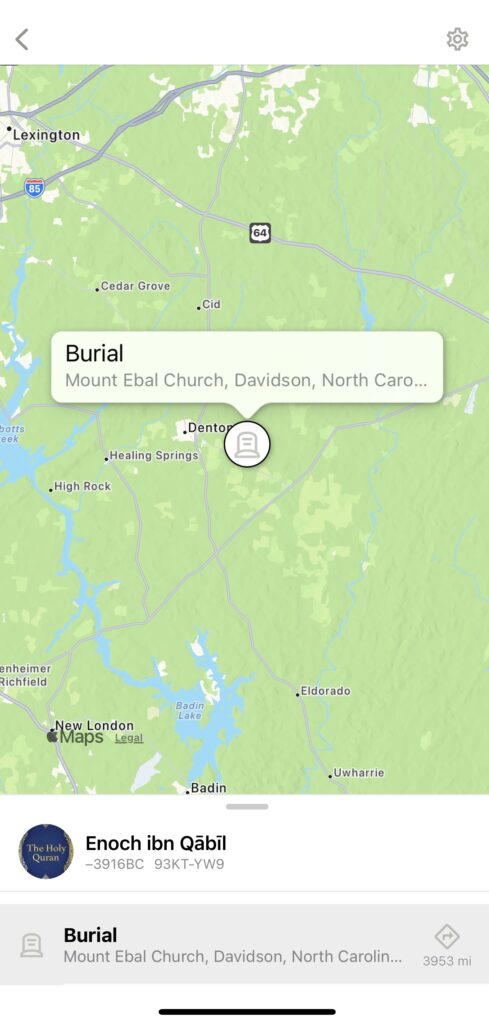
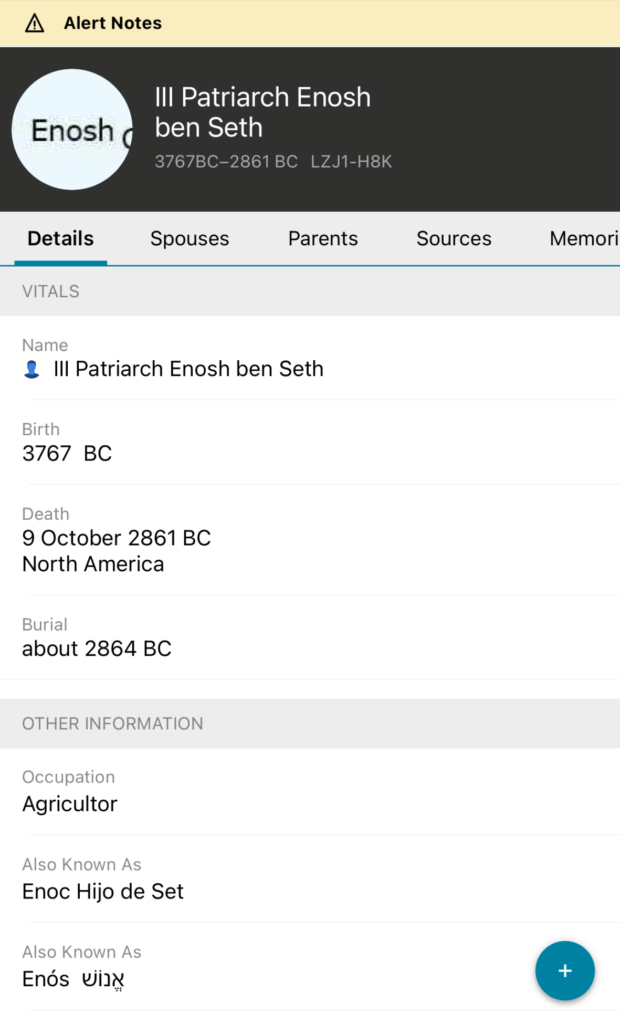
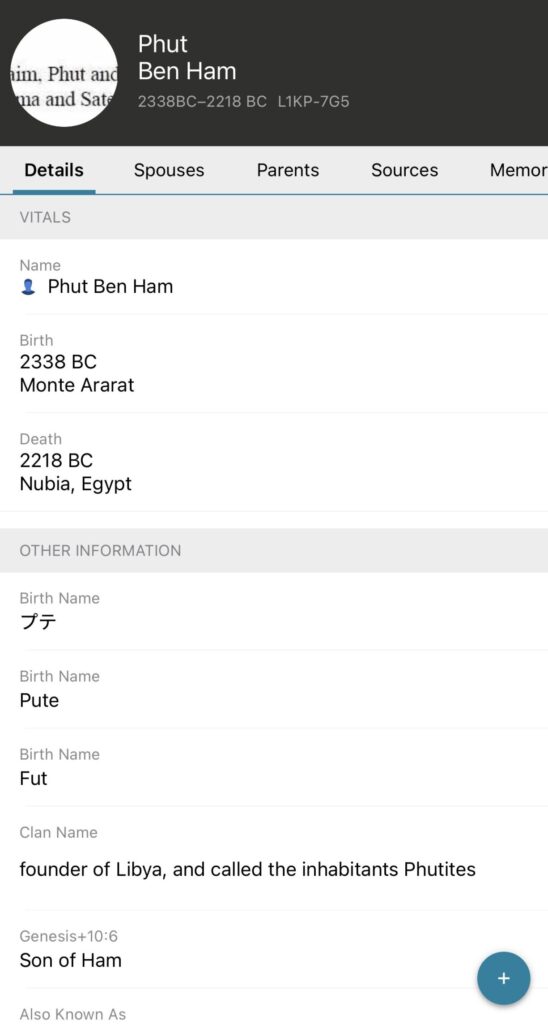
This lineage outlines the descendants of Nūḥ (Noah) across the lands of North America, connecting individuals, locations, and the continuity of generations.
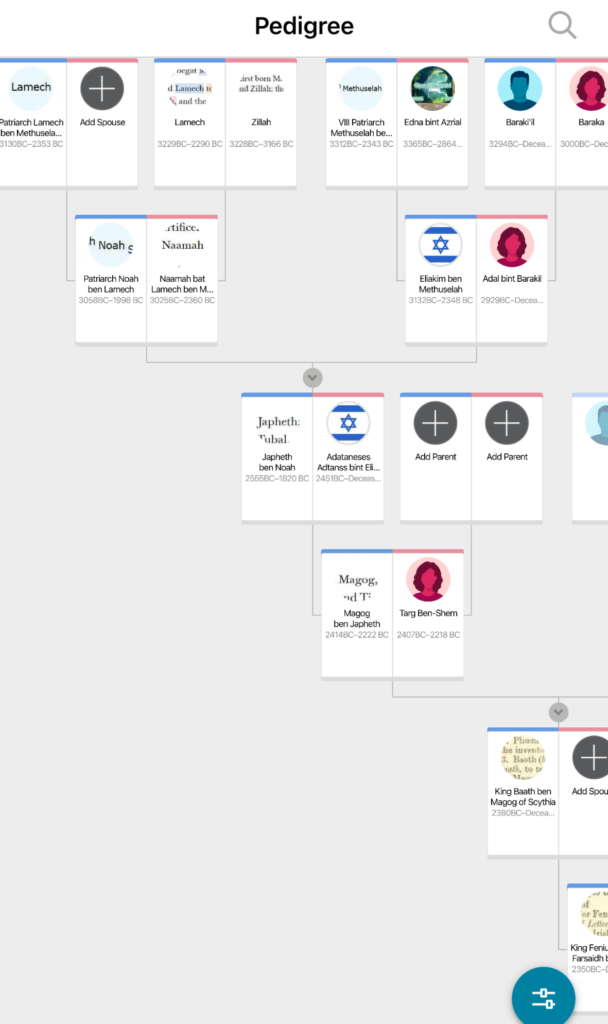
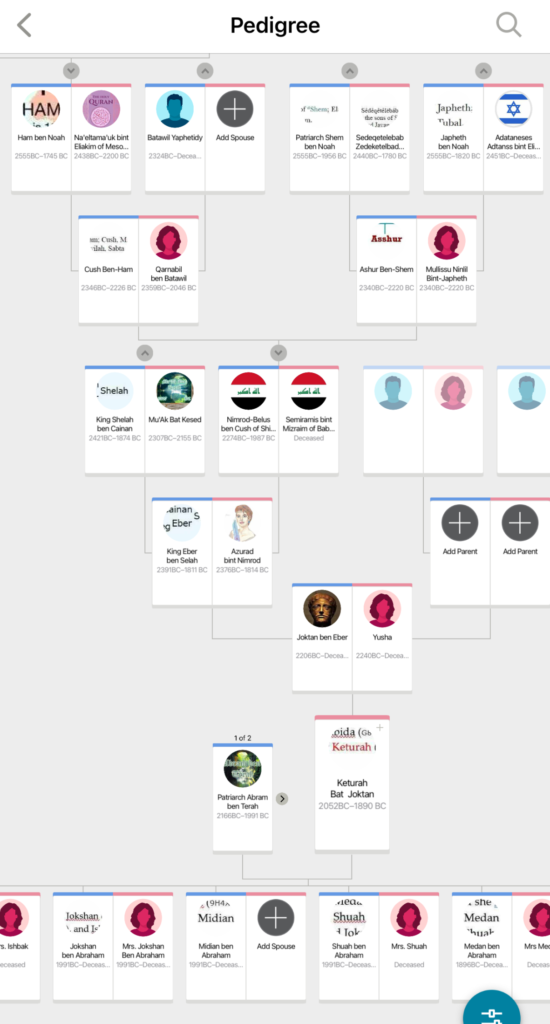
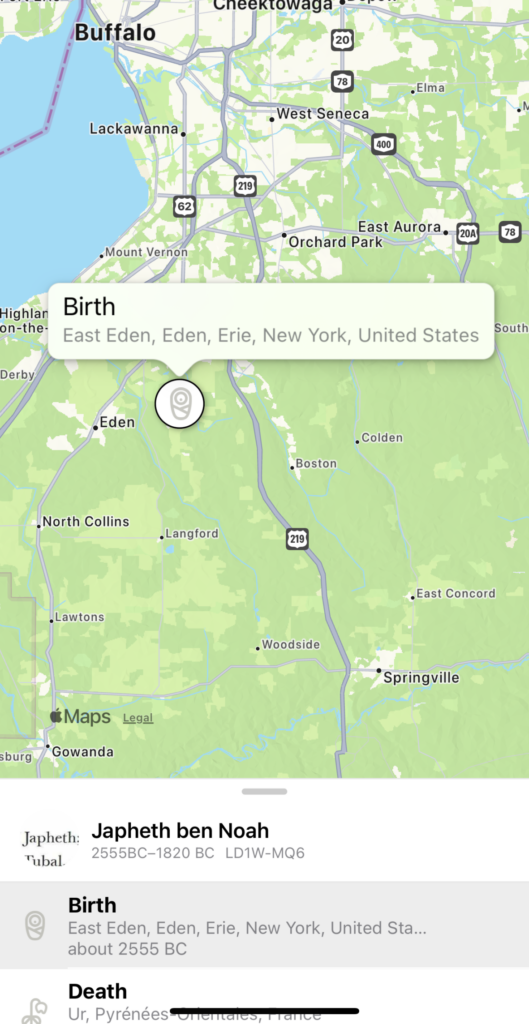
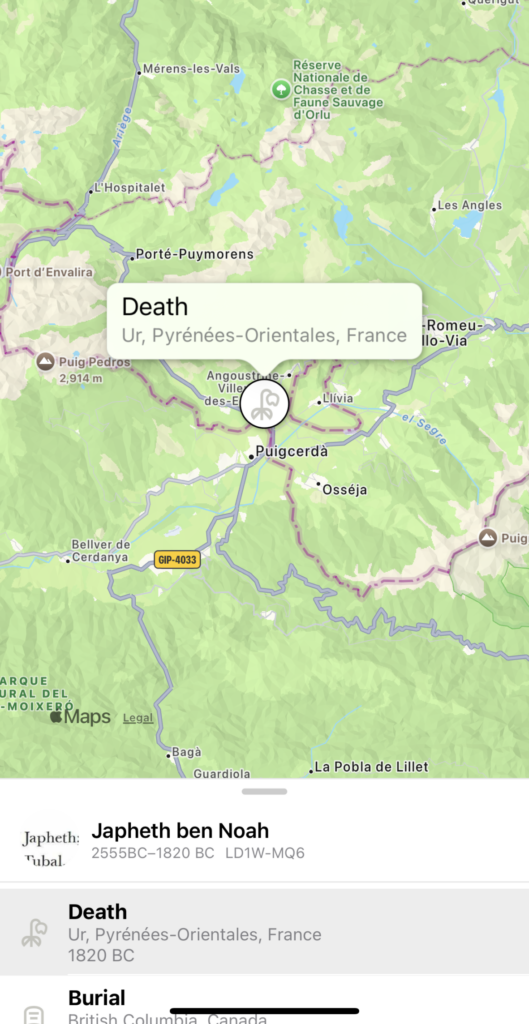
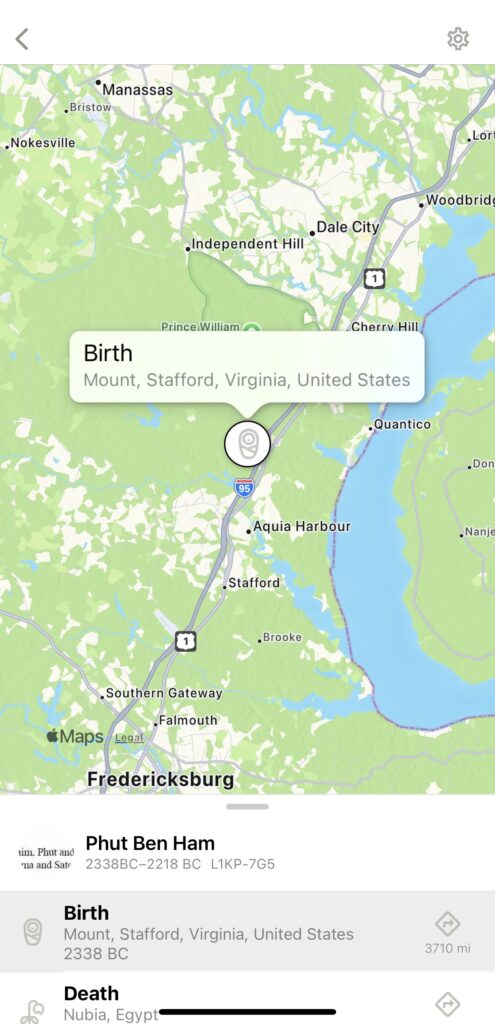
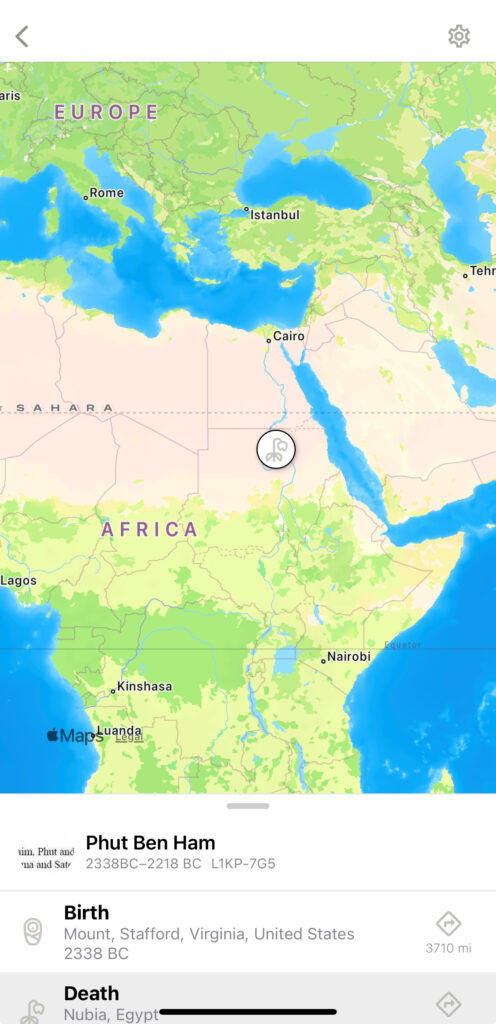
“And We did certainly create man out of clay from an altered black mud.”— Al-Ḥijr (The Rocky Tract) 15:26
🌾 👉🏿From Earth to Earth: The Bond Between Man and the Land
The Qur’an repeatedly reminds humanity that its origin is inseparable from the earth itself. Human beings are described as having been created from black mud, drawn directly from the land. Verse 15:26 “We created man from an altered black mud” emphasises that the human body is not foreign to the land, but an extension of it. Our continuity of lineage, preserved across generations, also serves as a sign of Allah’s creation of the original man.
This origin establishes an intrinsic bond: to be human is to be of the land. The land is not merely an environment we inhabit; it is the substance from which we were formed. The Qur’an reinforces this cycle in the verse, “From it We created you, and into it We will return you, and from it We will bring you forth once more” (20:55). Here, life is framed as a continuous connection to the land—beginning in it, sustained upon it, and ultimately returning to it.
The imagery is both physical and symbolic. Physically, the body emerges from earthly elements and decomposes back into them. Symbolically, this connection underscores humility and dependence: humans are grounded, not elevated above the land in essence. The black soil beneath one’s feet is a reminder of origin and return, dissolving any illusion of separation.
In this way, the Qur’an presents the bond between mankind (insān, human being) and the earth as fundamental and unbroken—a cycle of creation, existence, and return that ties human identity directly to the land from which it came.
📖 Brief Description of Al-Ḥijr
Also known as the Valley of Stone, Al-Ḥijr (The Rocky Tract) is the 15th chapter of the Qur’an and serves as a chapter of warning and reminder.
🧾 Core themes
- Creation of humanity“And We did certainly create man from sounding clay, from moulded black mud.”— Al-Ḥijr (The Rocky Tract) 15:26
- Preservation of revelation“Indeed, it is We who sent down the Reminder, and indeed, We will be its guardian.”— Al-Ḥijr (The Rocky Tract) 15:9
- Signs in the earth and natural order“And the earth — We have spread it out and cast therein firmly set mountains…”— Al-Ḥijr (The Rocky Tract) 15:19
- Past peoples and consequences of denial
The surah refers to earlier communities who rejected messengers and faced destruction.
⛰️ Meaning of “Al-Ḥijr” (The Rocky Tract or Valley of Stone)
- Refers to a rocky region associated with a past people
- Symbolises:
- settlement in carved rock
- strength and permanence of the land;
- and the vulnerability of those who reject guidance
🔑 Summary
Al-Ḥijr brings together:
- creation (human origin)
- revelation (divine message)
- the earth (mountains, land, structure)
- historical examples (past peoples)
All centred on a single idea:
the earth itself is filled with signs, but recognition depends on reflection.
🌊 Prophet Noah (Nūḥ)
The account of Nūḥ unfolds as a sequence of mission, response, and consequence, rooted in the relationship between people and the land they inhabit.
1. Mission
“Indeed, We sent Noah to his people, [saying], ‘Warn your people before there comes to them a painful punishment.’”— Nūḥ (The Prophet Noah) 71:1
2. Message
“Noah said, ‘O my people, worship Allah; you have no deity other than Him…’”— Al-Aʿrāf (The Heights) 7:59
3. Rejection
“They said, ‘We see you in clear error.’”— Al-Aʿrāf (The Heights) 7:60
“And they denied him…”— Ash-Shuʿarāʾ (The Poets) 26:117
4. The Ark and Mockery
“And he constructed the ship, and whenever an assembly of the eminent of his people passed by him, they ridiculed him…”— Hūd (The Prophet Hūd) 11:38
5. The Flood
“It was said, ‘O earth, swallow your water, and O sky, withhold [your rain]…’”— Hūd (The Prophet Hūd) 11:44
“So We saved him and those with him in the laden ship.”— Ash-Shuʿarāʾ (The Poets) 26:119
6. Noah’s Patience
“And he remained among them a thousand years minus fifty years…”— Al-ʿAnkabūt (The Spider) 29:14
7. Honour of Noah
“Peace upon Noah among the worlds.”— Aṣ-Ṣāffāt (Those Who Set the Ranks) 37:79
“And We left for him [favourable mention] among later generations.”— Aṣ-Ṣāffāt (Those Who Set the Ranks) 37:78
🌍 Early Human Presence in the Land
Many of the core spiritual foundations behind Plains traditions are extremely ancient:
- Human presence in North America: at least 13,000–15,000+ years
- Some genetic and archaeological evidence suggests earlier waves possibly 20,000+ years or more
This establishes that human interaction with land, water, and seasonal cycles extends deep into antiquity, forming long-standing patterns of movement, understanding, and monotheistic belief.
“And He has spread out the earth for creatures.”— Ar-Raḥmān (The Most Merciful) 55:10
“Have those who disbelieved not considered that the heavens and the earth were a joined entity, and We separated them…”— Al-Anbiyāʾ (The Prophets) 21:30
This verse situates the land itself within a larger created structure, linking earth, water, and life.
🧭 Indigenous Peoples of the Plains
“O mankind, indeed We created you from male and female and made you peoples and tribes that you may know one another…”— Al-Ḥujurāt (The Rooms) 49:13
The Great Plains were home to the Cree and Blackfoot Confederacy, Indigenous nations with long-established societies and cultural systems rooted in the land, shaped by seasonal movement, ecological knowledge, and interconnected lifeways across the plains and surrounding regions.
These societies were highly adaptive, shaped by:
• seasonal mobility
• ecological knowledge
• kinship and governance systems
• trade and interconnection across regions
Life on the Plains was closely connected to the movement of bison herds, which formed the foundation of subsistence, material culture, and seasonal migration.
🌾 Sacred Knowledge Systems and Ceremonial Life
“And in the earth are signs for those of assured faith.”— Adh-Dhāriyāt (The Winnowing Winds) 51:20
Indigenous societies of the Plains developed complex spiritual and ceremonial systems deeply integrated into daily life and the natural world.
These included:
• vision quests for personal guidance
• ceremonies tied to seasonal cycles
• use of songs, stories, and oral traditions
• healing practices involving plants and medicinal knowledge passed down through elders, combining physical remedies with spiritual understanding of balance and harmony within the body and land
These practices reflect a continuous engagement with the land as a place of meaning and observation.
🌊 Rivers and Passageways
“And We made from water every living thing…”— Al-Anbiyāʾ (The Prophets) 21:30
The river systems of the Plains formed essential routes of movement, trade, and settlement.
Key waterways include:
• Missouri River
• Saskatchewan River
These rivers provided:
• transportation corridors for canoe travel in northern regions
• water sources for camps and seasonal settlements
• pathways connecting different ecological zones
• routes linking plains, forests, and mountain foothills
River valleys functioned as natural passages, structuring movement across the open prairie.
“And He placed within the earth firmly set mountains and rivers and roads that you might be guided.”— An-Naḥl (The Bee) 16:15
⛰️ Plains–Mountain Transition Zone
“And He placed within the earth firmly set mountains, lest it should shift with you…”— An-Naḥl (The Bee) 16:15
To the west, the Plains rise gradually into the Rocky Mountains, creating a major ecological boundary.
This transition zone includes:
• foothills and mixed grasslands
• forested mountain valleys
• alpine ecosystems at higher elevations
Many Indigenous groups moved seasonally between plains and foothills, using the mountains for:
• hunting
• shelter during harsh seasons
• gathering plants and materials
⛰️ Rocky Mountains and Regional Geography
“And the mountains as pegs?”— An-Nabaʾ (The Tidings) 78:7
To the west of the Great Plains rises the dramatic wall of the Rocky Mountains.
Key features:
• Stretch from Canada to New Mexico
• Contains some of North America’s highest peaks
• Form a natural boundary between the flat plains (east) and the mountainous west
🏞️ Notable Mountains Near the Plains
“And He set on the earth mountains standing firm…”— Luqmān (Luqman) 31:10
- Pikes Peak – one of the most famous mountains visible from the plains
- Front Range – the first dramatic rise you see coming from the plains
- Black Hills – an isolated sacred range rising out of the plains
🌊 Oceans and Continental Structure
“And it is He who has released the two seas…”— Al-Furqān (The Criterion) 25:53
The Americas are positioned between two vast oceans:
• Atlantic Ocean (east)
• Pacific Ocean (west)
These oceans shape climate, migration, and ecological systems, forming the outer boundaries of the continental landmass in which the Great Plains sit centrally.
🧭 Relationship Between Land Systems
“He merges the night into the day and merges the day into the night…”— Al-Ḥajj (The Pilgrimage) 22:61
The geography forms a connected system:
• Oceans → influence climate and boundaries
• Mountains → regulate rivers and elevation
• Plains → vast open movement zones
• Rivers → connect all ecological regions
This creates a continuous environmental cycle across the continent.
🌊 Western Continuation: British Columbia and the Ocean Boundary
“And We sent down from the sky water in measure…”— Al-Muʾminūn (The Believers) 23:18
Beyond the Rocky Mountains, the land continues westward into British Columbia, forming the outer edge of the same continental system.
This region represents the continuation of the mountain structure, where the Rockies extend toward the coast and meet the waters of the Pacific Ocean.
• rivers flow both eastward and westward
• elevation transitions into coastal terrain
• inland movement reaches its boundary at the sea
🧠 Cultural & Symbolic Meaning
“Indeed, in the creation of the heavens and the earth… are signs for those of understanding.”— Āl ʿImrān (Family of Imran) 3:190
• Great Plains → journey, endurance, openness
• Mountains → revelation, elevation, encounter
This pattern appears across movement systems:
• travel across plains
• encounter elevation in mountains
• rivers connect the entire system
✨ Big Picture
“And the earth—We spread it out…”— Al-Ḥijr (The Rocky Tract) 15:19
The Great Plains and the Rocky Mountains together form one of the clearest natural contrasts on Earth:
• Horizontal vs vertical
• Open vs elevated
• Journey vs encounter
🪨 Gold in the Black Hills
The Black Hills are an isolated mountain range rising from the surrounding plains. The geological formation of the Black Hills is ancient, consisting of uplifted Precambrian rock surrounded by younger sedimentary plains. This creates a striking “island uplift” effect:
- Granite core containing mineral deposits, including gold
- Forested slopes contrasting with surrounding grasslands
- Isolated elevation rising directly from the plains
In 1874, the U.S. military expedition led by George Armstrong Custer reported gold in the region. This triggered a gold rush that led to:
- Large-scale settlement by miners
- Violation of treaties guaranteeing Indigenous land rights
- Armed conflict, including the events of the Great Sioux War (1876)
In symbolic terms, this physical geography has often been interpreted metaphorically: a hidden wealth emerging from within the earth, only revealed through upheaval and time. The Black Hills remain of profound cultural and spiritual significance, particularly to the Lakota people, who call the region Pahá Sápa (“hills that are black”).
🪨 Why is Gold here
Geologically:
Over millions of years, erosion exposed gold near the surface
The Black Hills are an ancient uplift of very old rock
Gold is found in quartz veins and sediment deposits
“Indeed, those who disbelieve and die while they are disbelievers—even if one of them offered the earth full of gold—it would not be accepted…”— Āl ʿImrān (The Family of Imran) 3:91
“He placed firm mountains in it… and blessed it and determined its sustenance…”— Fussilat (Explained in Detail) 41:10
🌾 The Great Plains & Nearby Mountains
The Great Plains are a vast, flat expanse of land stretching through the heart of North America, from Canada down through the central United States and into parts of Mexico. This region is known for its open grasslands, big skies, and deep historical and cultural roots.
🌍 What Are the Great Plains?
- A massive region of prairies and grasslands
- Historically home to many Indigenous nations (Lakota, Cheyenne, Comanche, and others)
- Often called the “breadbasket” because of its agriculture (wheat, corn, cattle)
- Shaped by wind, rivers, and ancient inland seas
- Landscape and Environment
- Topography: Generally flat to rolling prairie with few trees, featuring limestone, shale, and sandstone formations.
- Ecosystem: Primarily shortgrass, mixed-grass, and some tall-grass prairies.
- Distinct Features: The Badlands (South Dakota/North Dakota) and the Sand Hills (Nebraska).
- Climate: Semi-arid; receives low rainfall, ranging from under 15 inches in the north to roughly 25 inches in the east.
👉 It’s a place defined by openness, horizon, and movement.
🌍 Land, Mountains, and Rivers as Signs
The Qur’an consistently presents the natural world as a system of signs intended for reflection.
“And the earth — We have spread it out and cast therein firmly set mountains and caused to grow therein [something] of every well-balanced thing.”— Al-Ḥijr (The Rocky Tract) 15:19
“And in the earth are signs for those who are certain.”— Adh-Dhāriyāt (The Winnowing Winds) 51:20
Mountains are described as stabilising structures:
“And We placed within the earth firmly set mountains, lest it should shift with them…”— Al-Anbiyāʾ (The Prophets) 21:31
“Have We not made the earth a resting place, and the mountains as stakes?”— An-Nabaʾ (The Tidings) 78:6–7
Rivers are described as pathways and provision:
“And He placed within the earth firmly set mountains and rivers and roads that you might be guided.”— An-Naḥl (The Bee) 16:15
“And it is He who spread the earth and placed therein firmly set mountains and rivers…”— Ar-Raʿd (The Thunder) 13:3
The purpose of these signs is made explicit:
“Indeed in that are signs for a people who reflect.”— Ar-Raʿd (The Thunder) 13:3
“So travel through the earth and observe…”— Al-ʿAnkabūt (The Spider) 29:20
This connects directly to the cycle of human existence:
“From it We created you, and into it We will return you, and from it We will bring you forth once more.”— Ṭā Hā (Ta-Ha) 20:55
🧩 The Land as a System of Signs
Allah speaks about all of these sign in the Qur’an:
• 🌍 Land → filled with signs to observe
• ⛰️ Mountains → stabilisers and markers
• 🌊 Rivers → life-giving pathways
• 🧠 Purpose → so people remember, reflect, and recognise
Note: The scattered Children of Israel are not to be confused with “Native” Americans, who are descendants of later populations associated with migration and colonisation. The focus of this site remains firmly on the BC era, before these developments. Much of history, as preserved today, reflects layers of reinterpretation that have obscured earlier identities, with some groups unknowingly inheriting or adopting narratives not originally their own. As a result, questions of origin and identity are often complex, and not all perspectives will be readily accepted.
“And We have certainly created for Hell many of the jinn and mankind. They have hearts with which they do not understand, and they have eyes with which they do not see, and they have ears with which they do not hear. Those are like livestock; rather, they are more astray. It is they who are the heedless.” — Al-Aʿrāf (The Heights) 7:179
From North America to Turkey
Most Americans are aware that the wood used to build Noah’s Ark could only have been sourced in America. We say “could,” as this was initially researched and presented as proven; however, today this can no longer be validated. The matriarch is certain that Noah sailed from the Americas to Turkey, and that the lands presented are our ancestral lands, as she was spiritually guided to these family trees.
Note: The confusion with ancient Israel and Judah, as per our post, stems from tracing our ancestors through our family tree. However, in Noah’s lifetime, the land did not have a recorded name, though we believe it is connected to the Babylonian Exile and linked to ancient Israel and Judah. There is no spiritual connection to Iraq, nor any traces of continuity. The scattered Children of Israel can affirm this.